1752 views57 days ago
Commander
Size: 100Est cost: $221.76Salt sum: 35.29

Market_Gnome
1752 views57 days ago
Commander
Size: 100Est cost: $221.76Salt sum: 35.29
Choose your preferred layout. You can mix and match options using the View as & Group by drop-downs above.
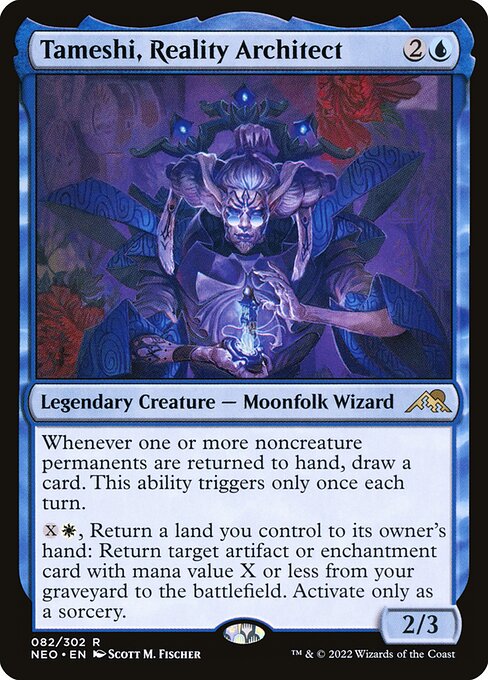
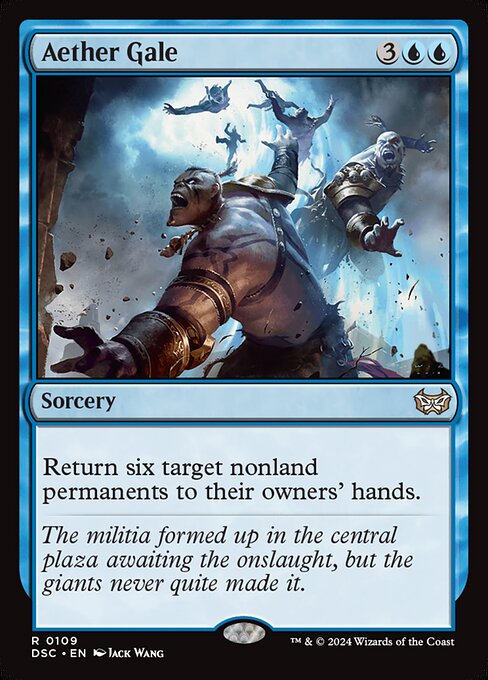
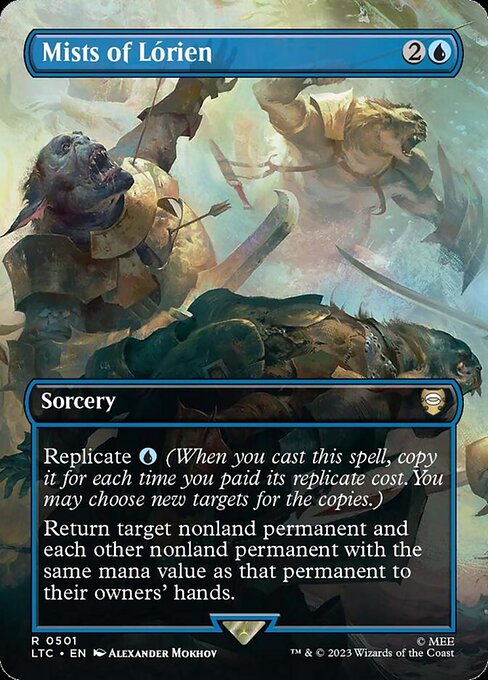
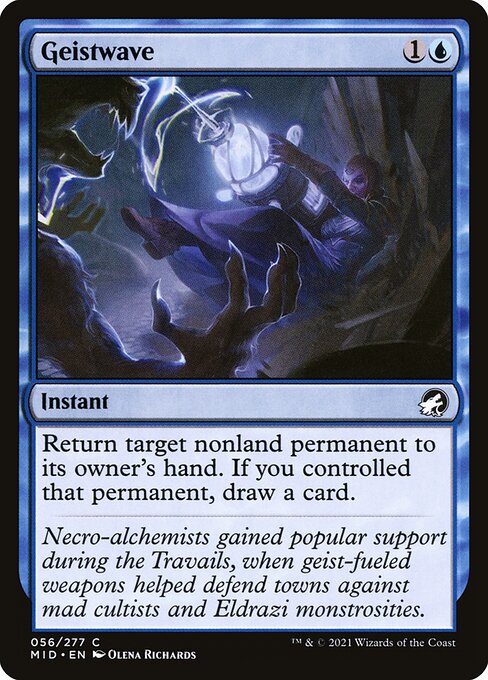
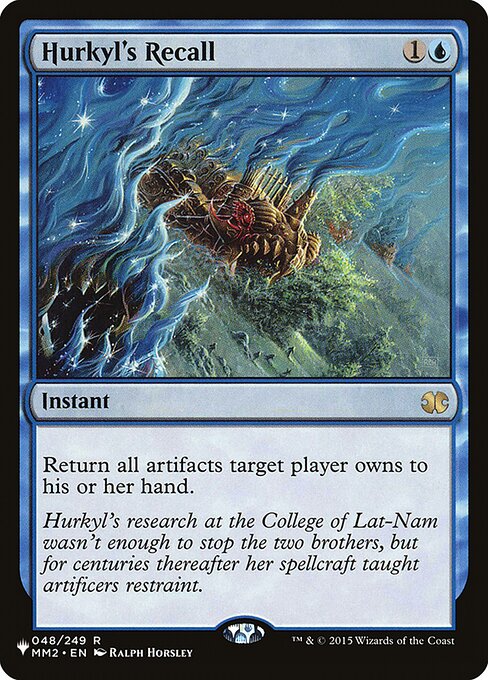
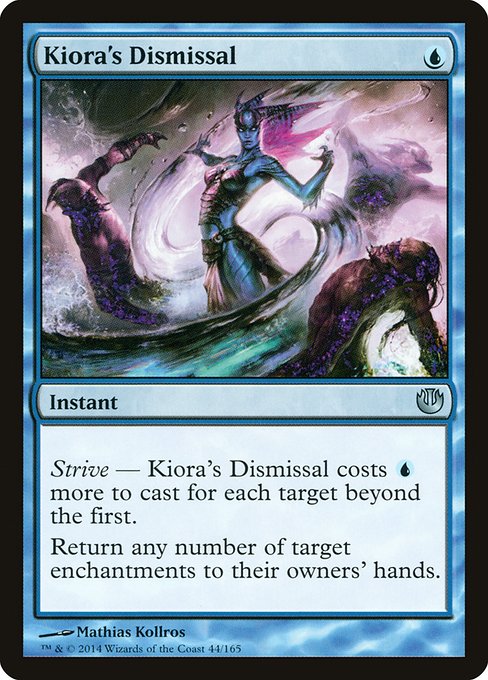
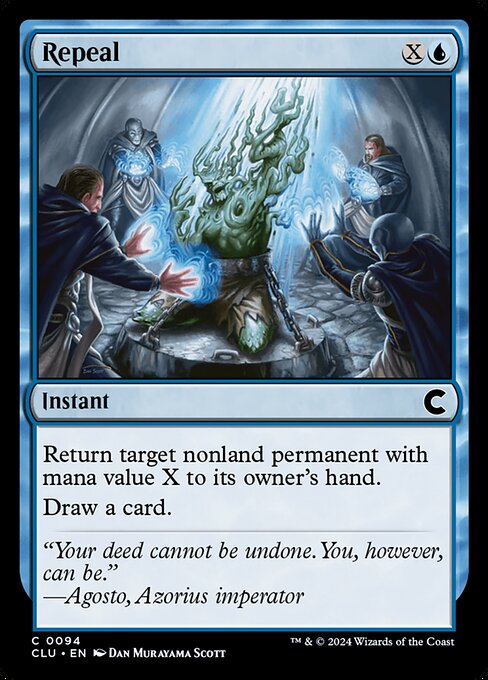
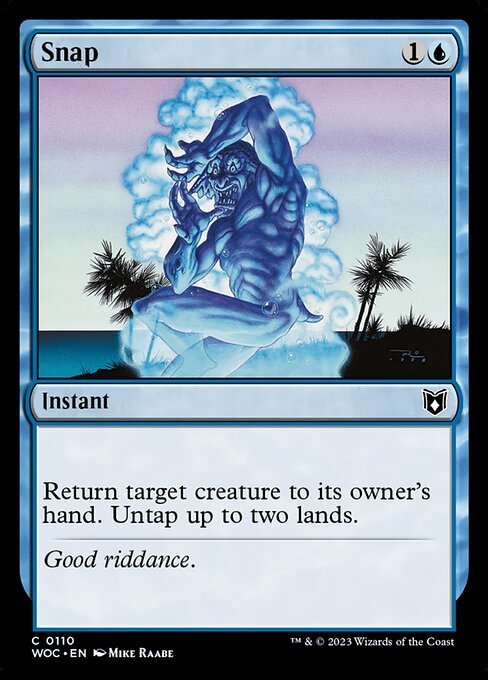
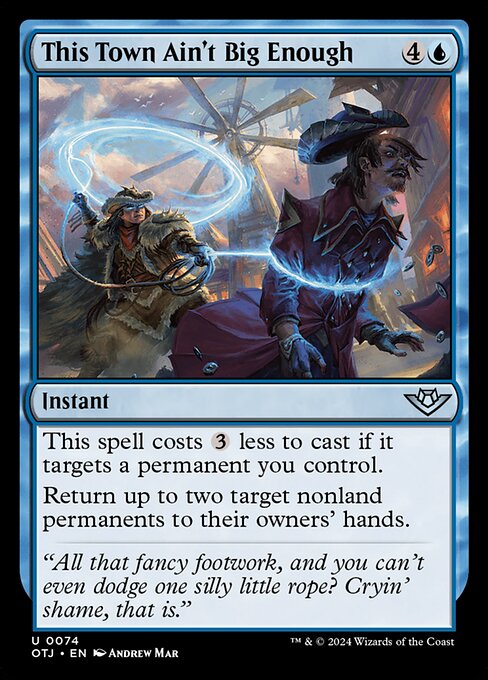
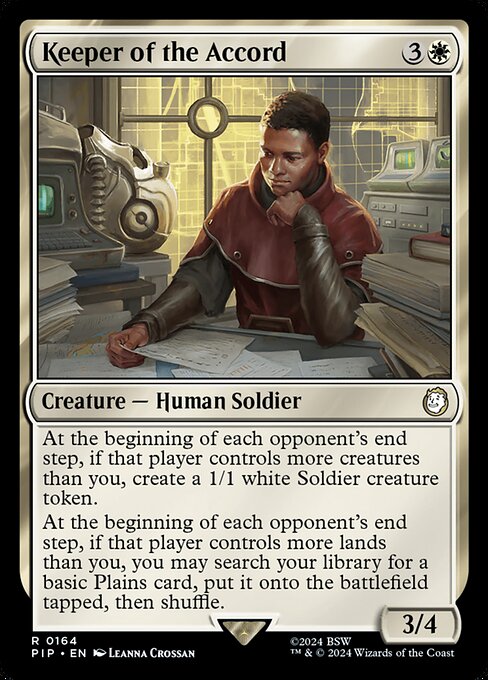
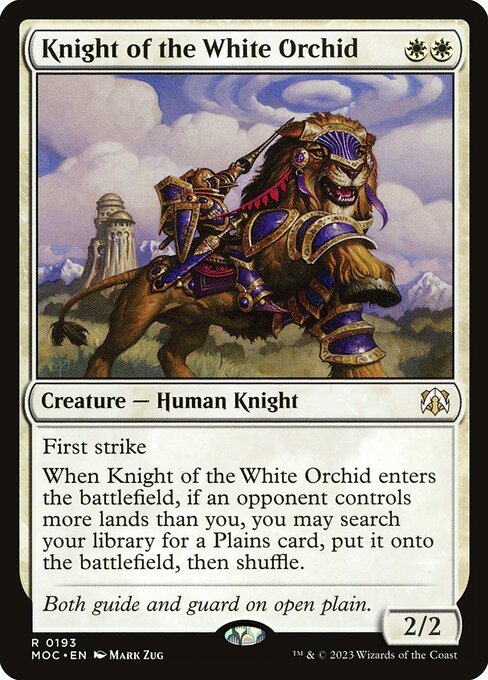
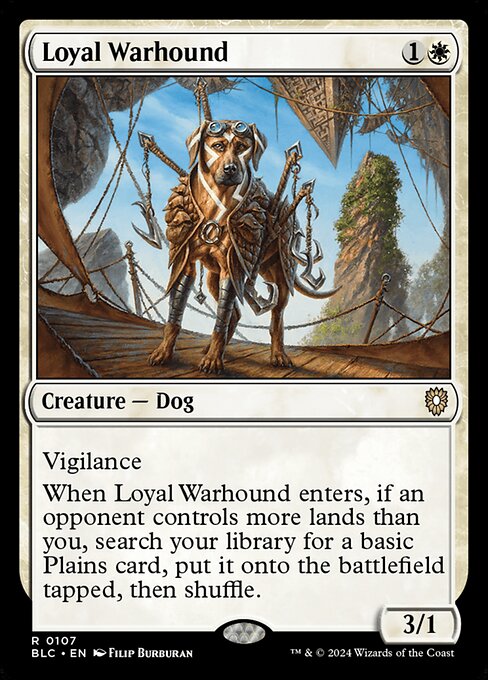
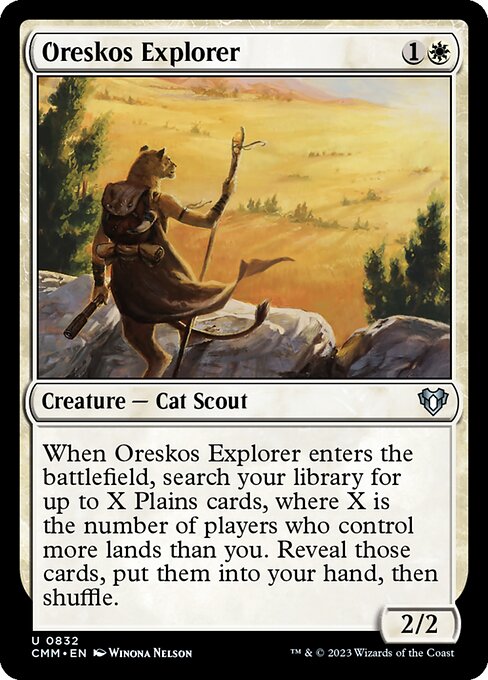
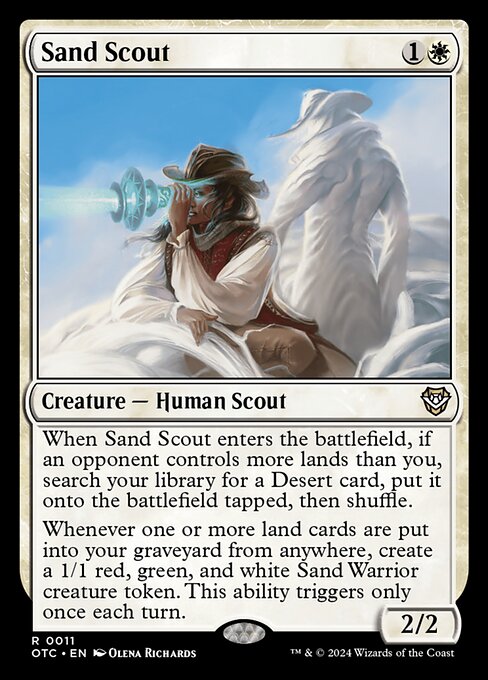
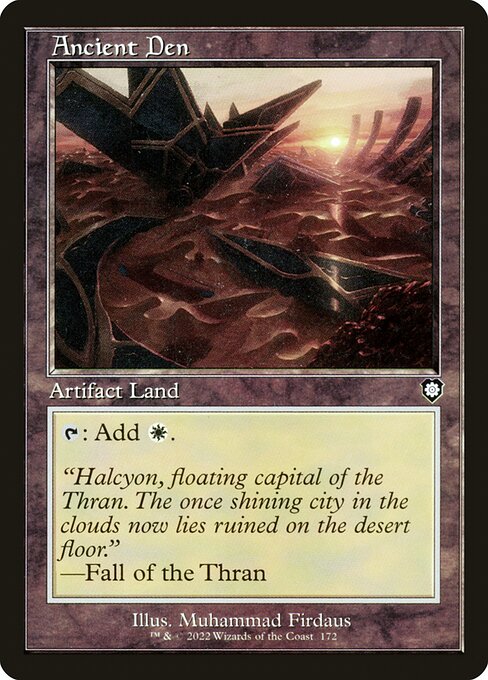
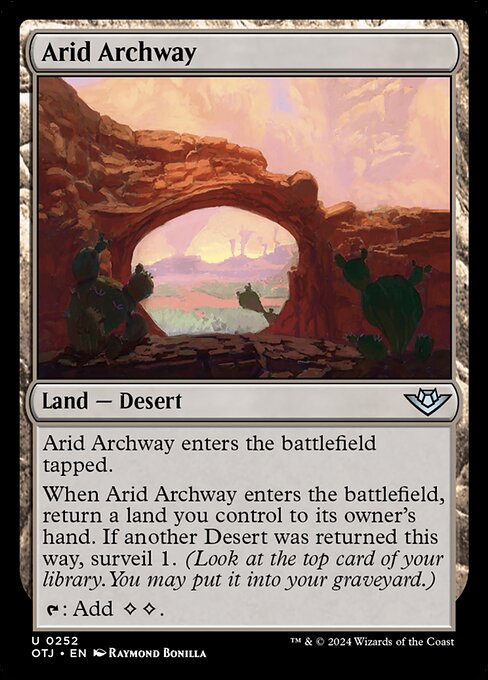
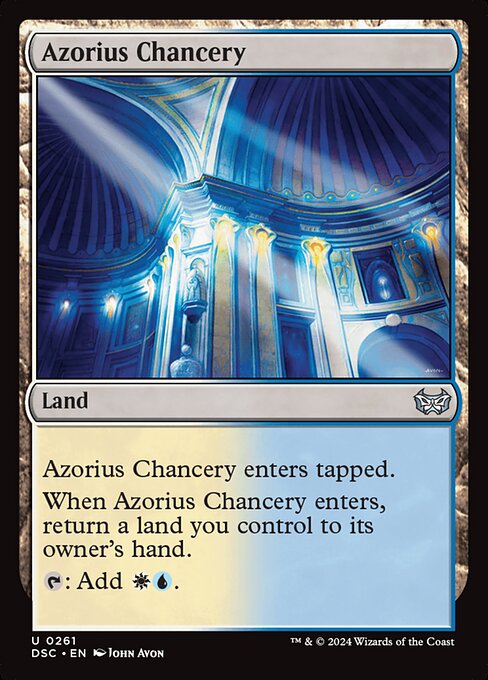
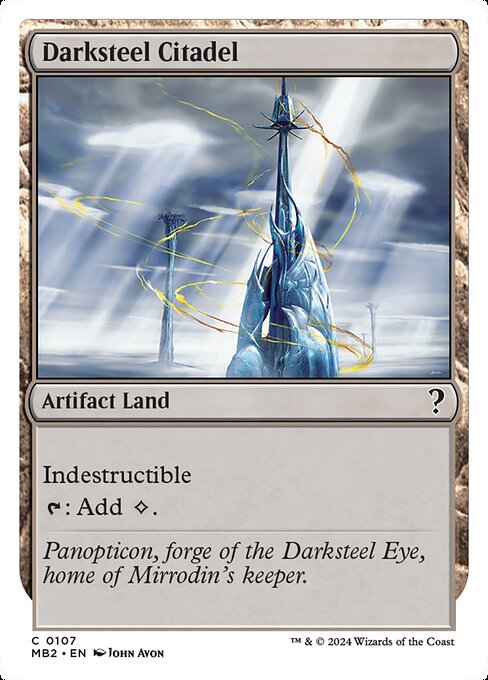
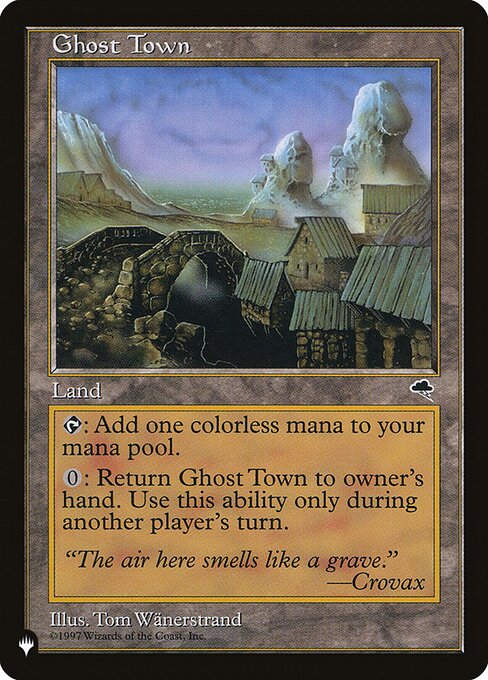
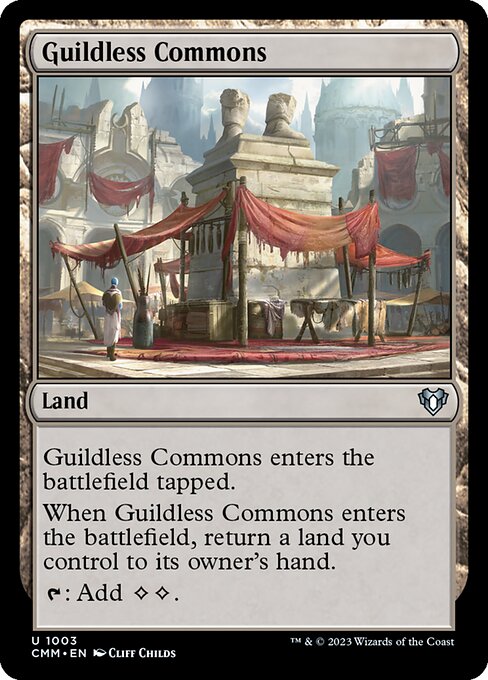
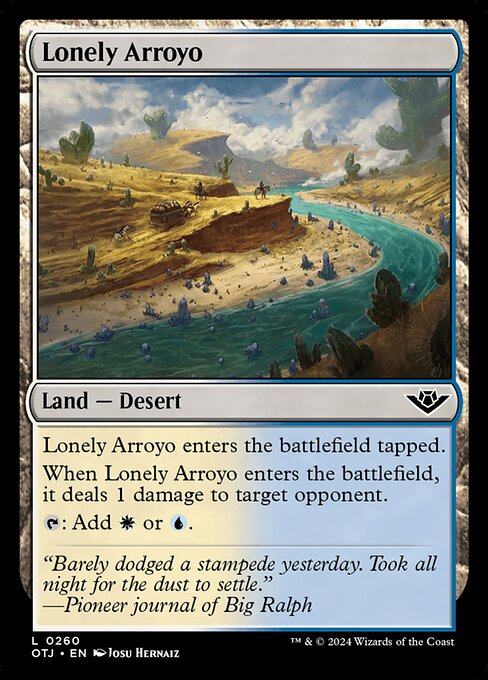
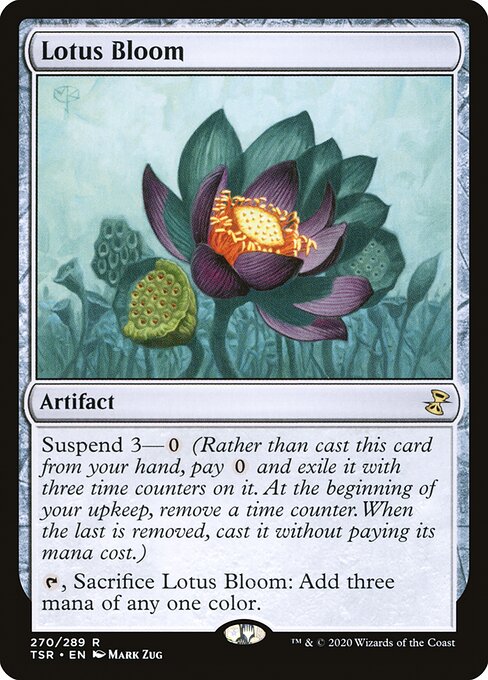
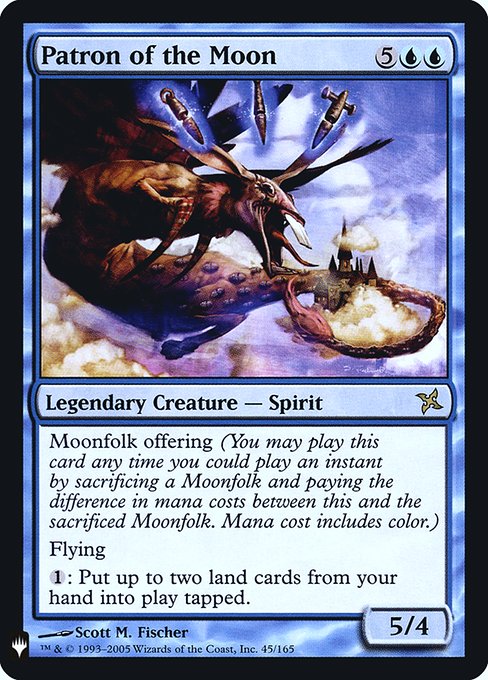
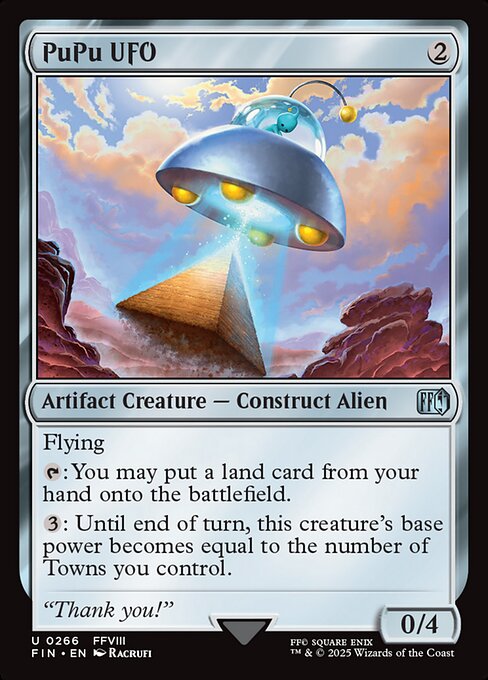
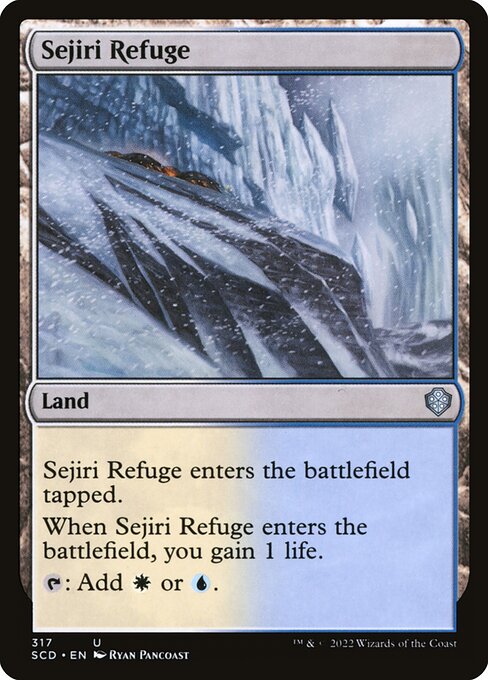
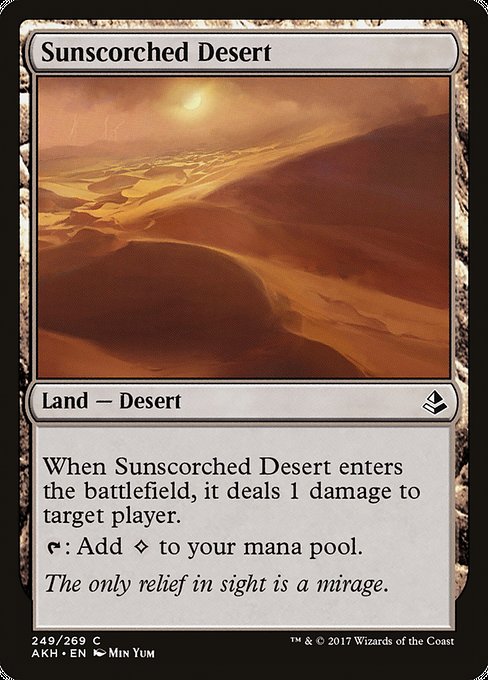
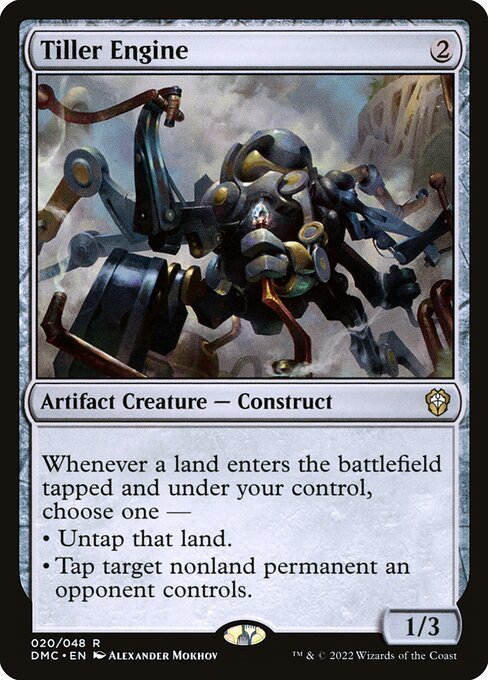
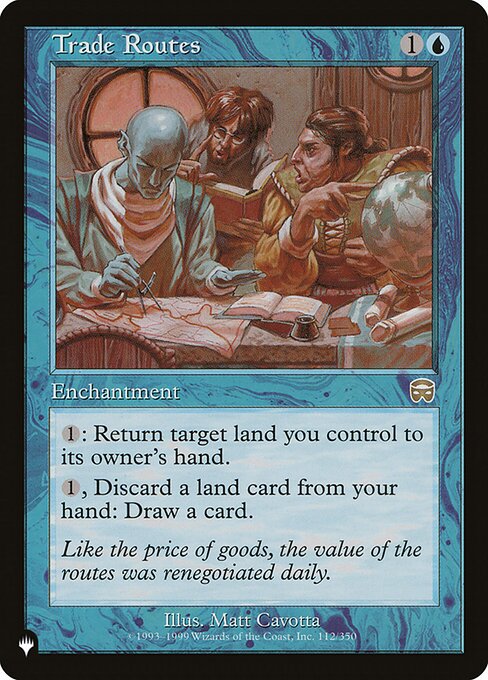
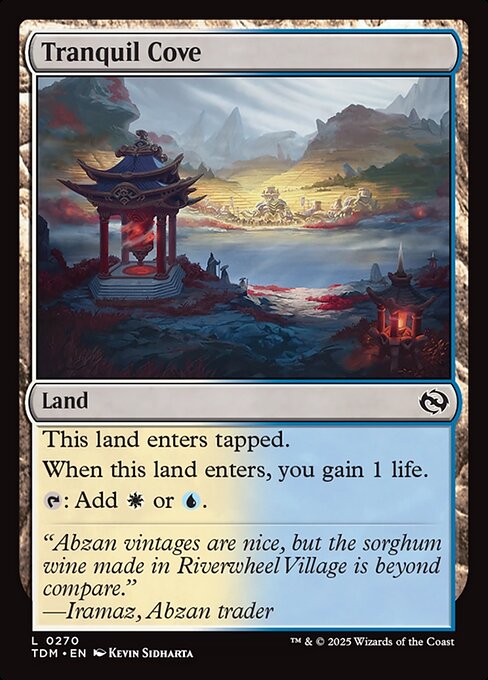
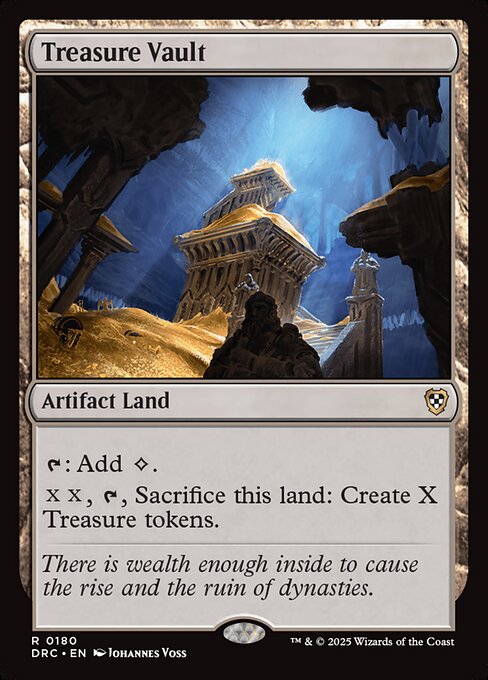
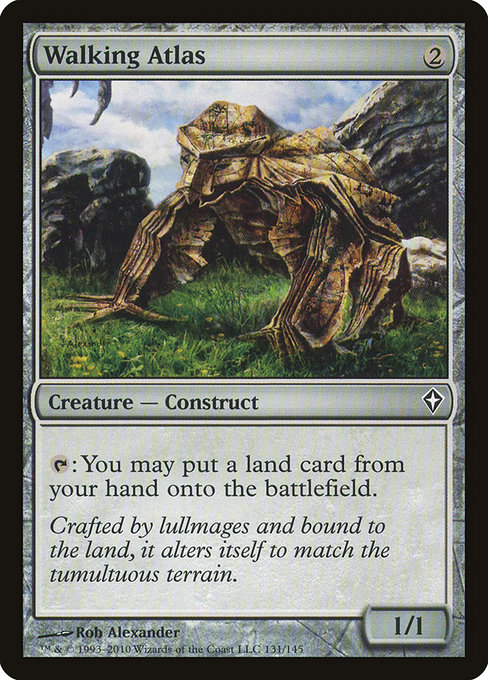
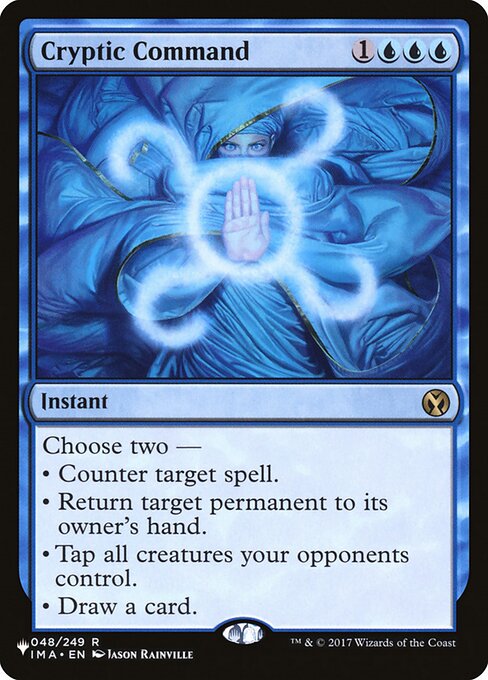
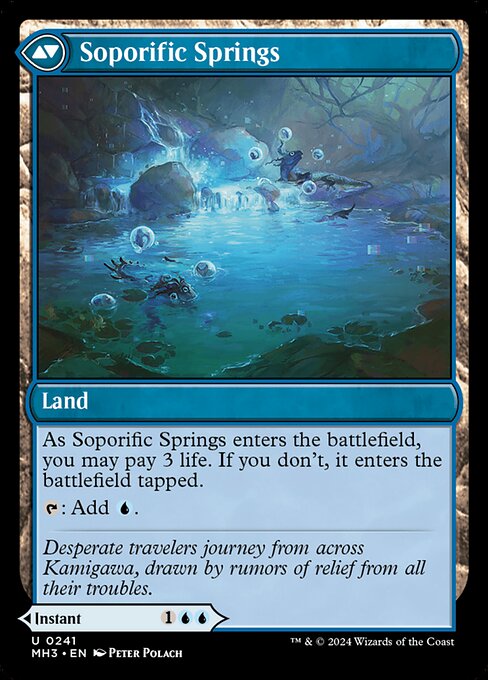
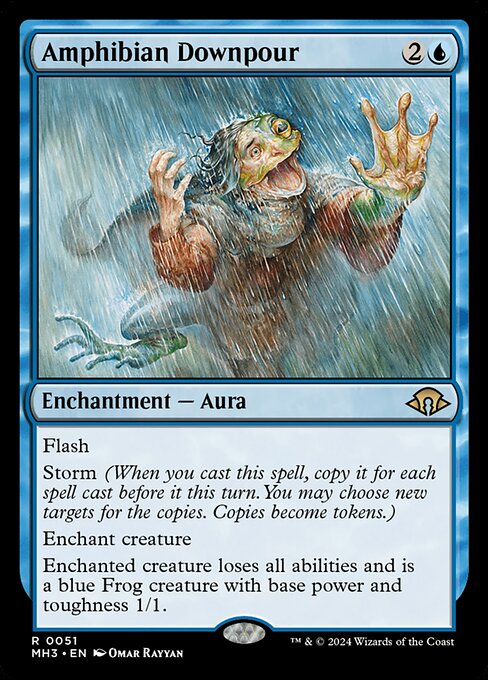
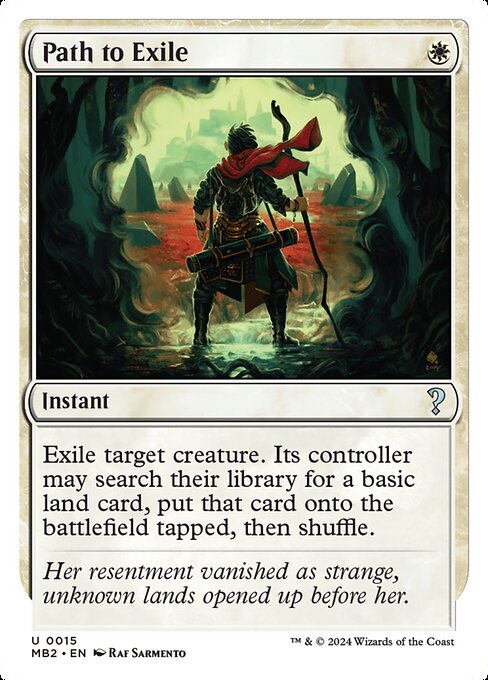
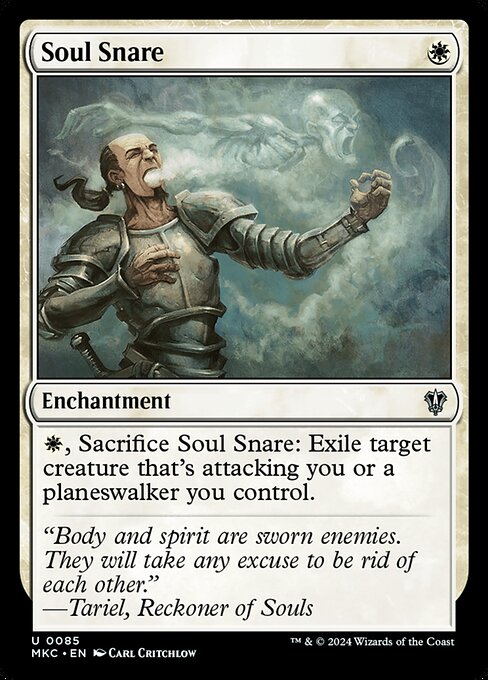
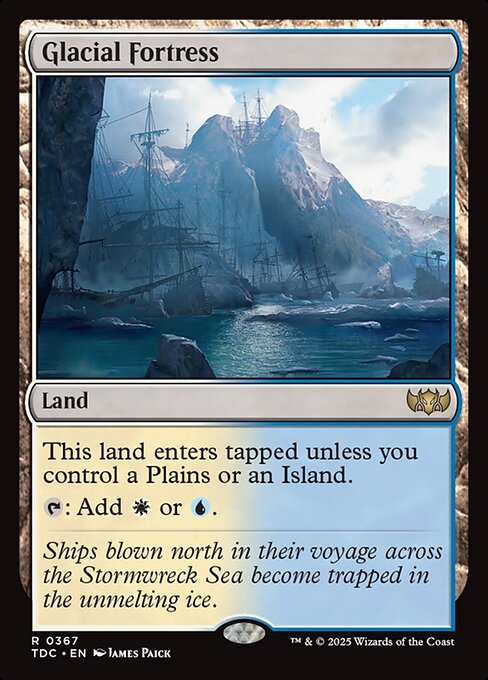
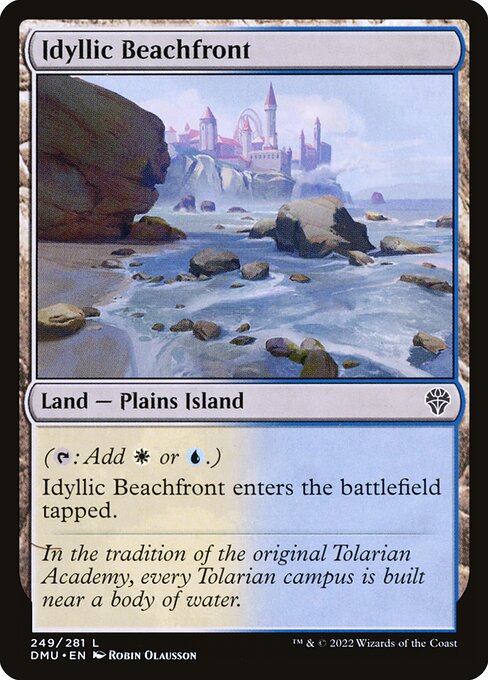
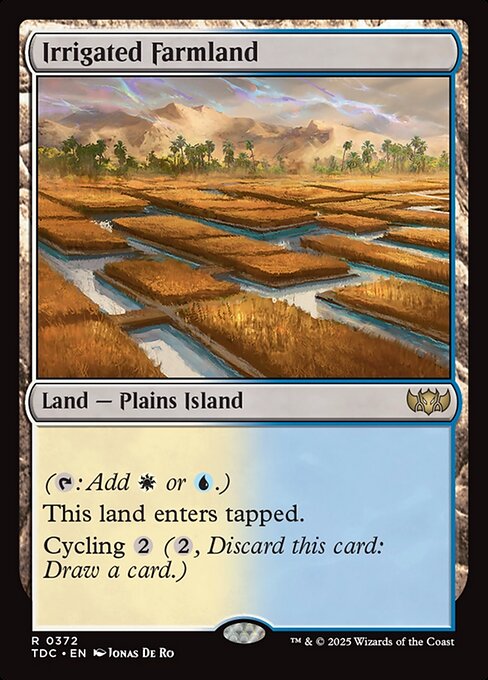
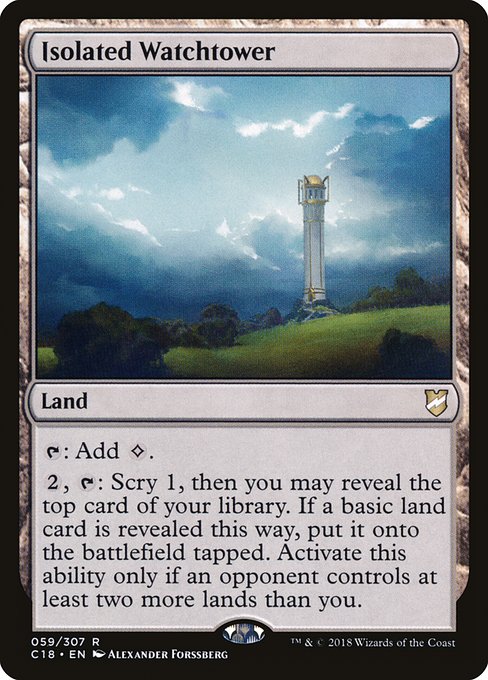
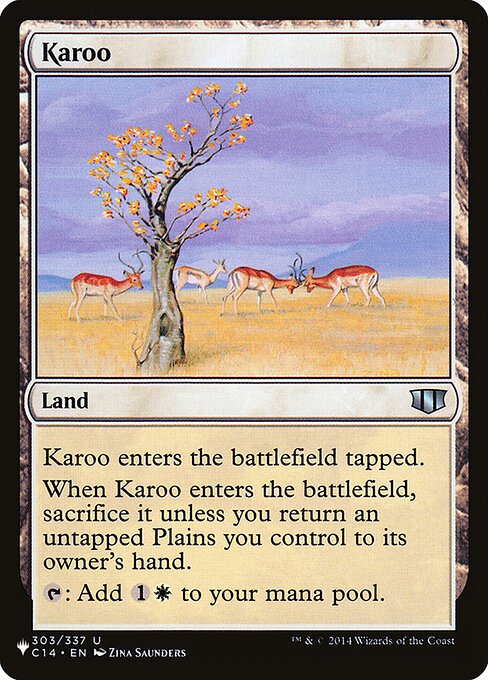
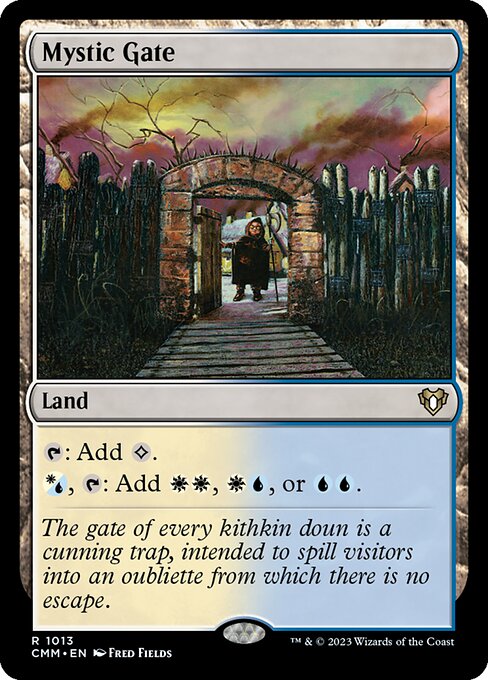
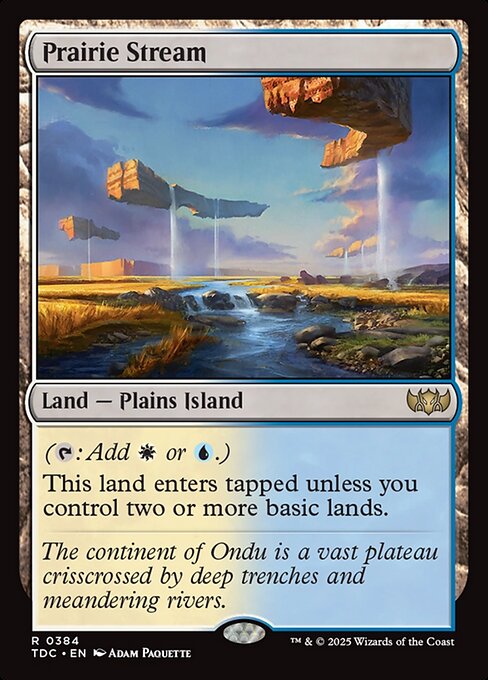
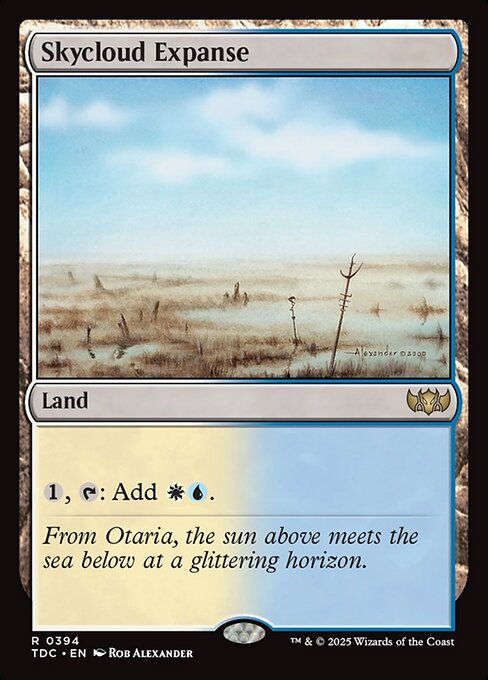
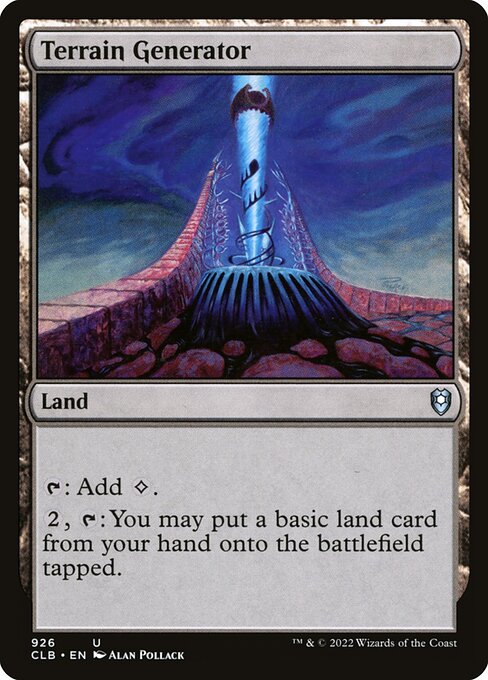
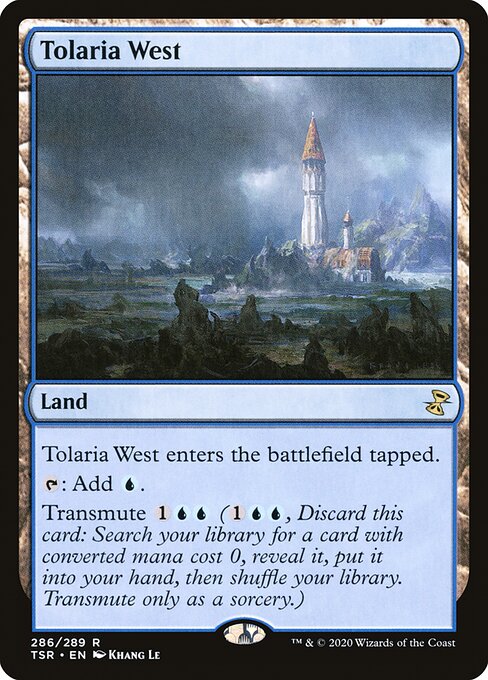
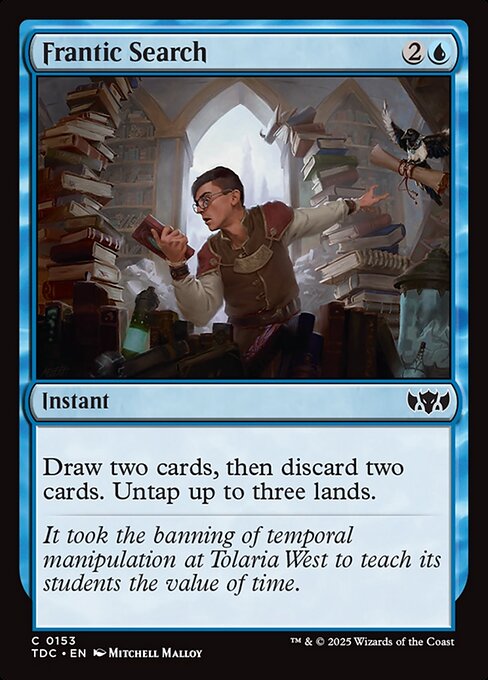
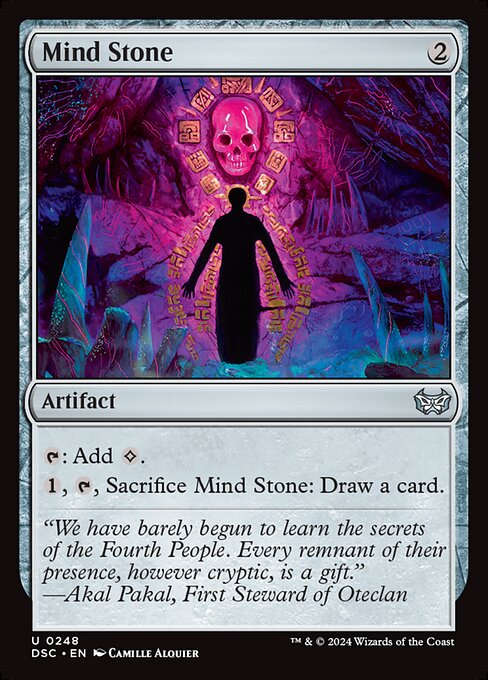
{"ops":[{"insert":"In Scryfall, you can go to the Scryfall tagger and see thousands of tags, organizing cards by category. One such tag that sometimes goes under the radar is called \"Catch Up\". The concept is that you gain a benefit if an opponent has more of something than you do, whether it's creatures, life totals, cards, lands, ect. It's very much a white mechanic, striving to make the game fair for the player using white. This is actually a very useful mechanic these days, especially with lands, considering how easily green can vomit extra lands onto the battlefield. You may have seen people using cards like "},{"insert":{"card-link":"Knight of the White Orchid"}},{"insert":" in a monowhite deck, to avoid falling behind on mana. But what if there was a way to \"cheat\" the system, and use \"catch up\" under the ruse of artificial disadvantage. Well, that's what this deck is all about.\n\n\"Catch Up\" doesn't not care what kind of lands you're running. It just cares about how many you have compared to your opponents. With this in mind, we could run bounce lands, like "},{"insert":{"card-link":"Arid Archway"}},{"insert":", to keep our land count low, while still having roughly the same amount of mana available as our opponents. This is how you \"cheat Catch Up\".\n\nThere is even more you can do with two mana bounce lands than cheating catch up, though. You can also gain extra advantage with cards that allow you to untap a land, such as "},{"insert":{"card-link":"Frantic Search"}},{"insert":", as long as you are untapping those lands that can be tapped for two mana. This will turn those cards into ramp spells, gaining you more mana than you started with, and allowing you to continue casting more spells.\n\nUpon my search for extra uses of these bounce lands, I stumbled up "},{"insert":{"card-link":"Tameshi, Reality Architect"}},{"insert":". It was perfect. As a commander, he could consistently provide card advantage during land bounce. He also happened to be in blue and white, granting us access to all sorts of bounce and untapping shenanigans found in blue, as well as the catch up cards in white that can fully utilize having that land \"disadvantage\". Tameshi also has an activated ability that not only triggers his first ability, but it also provides us with a secondary strategy of using disposable artifacts and enchantments, like "},{"insert":{"card-link":"Soul-Guide Lantern"}},{"insert":" and "},{"insert":{"card-link":"Angelic Renewal"}},{"insert":", that can be reused again and again. This was shaping up to be a really fun build.\n\nI wanted to take full advantage of Tameshi's card draw ability, which triggers once EACH TURN. This meant that I would need to include plenty of instants that bounced noncreature permanents into my opponents' hands on their turn, like "},{"insert":{"card-link":"Hurkyl's Recall"}},{"insert":" and "},{"insert":{"card-link":"Kiora's Dismissal"}},{"insert":". Since bouncing creatures doesn't trigger Tameshi's ability, and there aren't many good options for bouncing their lands, I was left to focus on bouncing their artifacts, enchantments, and planeswalkers. And that's actually a decent strategy, considering that ETB triggers are usually found on creatures, and not so much on artifacts and enchantments. If I had to bounce their creatures with cards like "},{"insert":{"card-link":"Sink into Stupor // Soporific Springs"}},{"insert":" and "},{"insert":{"card-link":"Into the Flood Maw"}},{"insert":", that would still be a decent option for removing creature threats, even if I didn't get the card draw. This would at least disrupt their mana, being forced to recast whatever was bounced, and delaying the game's ending.\n\nSpeaking of an ending, I needed a win condition. Looking up other Tameshi decks online revealed a plethora of infinite combos, mostly involving landfall triggers. Considering how the deck was taking shape, I thought this would be the most consistent way of closing out a game. The combos in this deck are little confusing, so I need to break them down carefully.\n\nThere are four distinct combos, each requiring at least four cards, and 23 total cards involved with these combos, in one way or the other. Most of these 23 cards are interchangeable with others, so you don't need 4 EXACT cards to pull of a combo.\n\nLet's go over the first, and probably best combo. This will require your commander ("},{"insert":{"card-link":"Tameshi, Reality Architect"}},{"insert":"), "},{"insert":{"card-link":"Lotus Bloom"}},{"insert":", "},{"insert":{"card-link":"Patron of the Moon"}},{"insert":", and one of the following cards: "},{"insert":{"card-link":"Sunscorched Desert"}},{"insert":", "},{"insert":{"card-link":"Lonely Arroyo"}},{"insert":", "},{"insert":{"card-link":"Tranquil Cove"}},{"insert":", or "},{"insert":{"card-link":"Sejiri Refuge"}},{"insert":". For this to work, you need all four cards on the battlefield. First, you sacrifice lotus bloom for 3 white mana and let it hit the graveyard. Then, you activate Tameshi's ability by paying one white mana, returning one land to your hand, and returning Lotus Bloom to the battlefield, ignoring it's suspend clause. Once it comes back, sacrifice Lotus Bloom again for any color, letting it hit the graveyard again. This \"any color\" mana becomes free mana, should you need it for another reason. Now, you need to Activate Tameshi again by paying one white mana, returning another land to your hand, and putting Lotus Bloom back onto the battlefield. This time, activate Patron of the Moon by paying that last white mana and putting two lands from your hand onto the battlefield. This entire process can then be repeated an infinite number of times. If you used Sunscorched Desert or Lonely Arroyo as one of those lands, you deal infinite damage to any number of opponents, and you win the game. If you used Tranquil Cove or Sejiri Refuge as one of those lands, you gain infinite life, which can win you SOME games, but that really depends on what kind of decks your opponents are playing. There is an alternate way to win with this combo if you don't have any of those four lands listed above. You could use any old lands, generating infinite landfall triggers, if you happen to have "},{"insert":{"card-link":"Hedron Crab"}},{"insert":" or "},{"insert":{"card-link":"Ruin Crab"}},{"insert":" out on the battlefield. These little buggers will mill out your opponents, granting you a victory that way.\n\nThe second combo requires "},{"insert":{"card-link":"Retreat to Coralhelm"}},{"insert":", one of the mill crabs, "},{"insert":{"card-link":"Walking Atlas"}},{"insert":" OR "},{"insert":{"card-link":"PuPu UFO"}},{"insert":", and one of the following bounce lands: "},{"insert":{"card-link":"Arid Archway"}},{"insert":", "},{"insert":{"card-link":"Azorius Chancery"}},{"insert":", "},{"insert":{"card-link":"Guildless Commons"}},{"insert":", or "},{"insert":{"card-link":"Ghost Town"}},{"insert":" (using Ghost Town will require the combo to be performed on an opponent's turn). For this one to work, Retreat to Coralhelm, your mill crab, and your construct (Walking Atlas or PuPu UFO) need to be on the battlefield. Also, your construct can't have summoning sickness, because you will be tapping it. Start off by tapping your construct to put the bounce land onto the battlefield. Yes, this can be done at instant speed on an opponent's turn. Once the land enters, it and Coralhelm will trigger. Resolve the land first, by bouncing ITSELF back to your hand. Then, let Coralhelm resolve, choosing your construct to untap. You can now just repeat the process an infinite amount of times, and your mill crabs will mill out your opponents. As an alternative to using the bounce lands listed above, you could instead have "},{"insert":{"card-link":"Trade Routes"}},{"insert":" out on the battlefield and use any land that comes down untapped. If you happen to use "},{"insert":{"card-link":"Sunscorched Desert"}},{"insert":", you won't even need the mill crab out on the field. You could just bounce the desert back and forth, dealing an infinite amount of damage to your opponents. Or, if you happen to have "},{"insert":{"card-link":"Tiller Engine"}},{"insert":" on the field (which we'll get into later), you could even use "},{"insert":{"card-link":"Lonely Arroyo"}},{"insert":", since Tiller Engine can just untap it right away, each time it comes down. As you can see, this combo is pretty flexible, and you can even play it on the opponent's turn before your turn, which will increase the chances of your opponents being tapped out and unable to respond to what you're doing.\n\nThe third combo requires your commander ("},{"insert":{"card-link":"Tameshi, Reality Architect"}},{"insert":"), "},{"insert":{"card-link":"Lotus Bloom"}},{"insert":", one of the mill crabs, "},{"insert":{"card-link":"Sculpting Steel"}},{"insert":", and one of the following artifact lands: "},{"insert":{"card-link":"Ancient Den"}},{"insert":", "},{"insert":{"card-link":"Seat of the Synod"}},{"insert":", "},{"insert":{"card-link":"Darksteel Citadel"}},{"insert":", or "},{"insert":{"card-link":"Treasure Vault"}},{"insert":". For this one to work, you're going to need all of your components out on the battlefield, except for Sculpting Steel, which you'll need in hand with enough mana to cast it, plus one white mana to activate Tameshi's ability. Start off by sacrificing Lotus Bloom and floating 3 white mana. Use that mana to cast Sculpting Steel, and have it enter the battlefield as a copy of the artifact land that you have on the battlefield. Next, tap Sculpting Steel (as a land) for one mana. The color doesn't matter, just make sure it floats for later. With that one white mana you had reserved, activate Tameshi's ability, returning Sculpting Steel to you're hand (since it's now a land), and returning Lotus Bloom from the graveyard onto the battlefield. Now you can just repeat the process, this time using that one floating mana to help pay for Sculpting Steel, and floating one of the white mana pips from Lotus Bloom to pay for Tameshi's ability. Repeat an infinite amount of times to have your mill crabs to their thing. If you don't have a mill crab out on the battlefield, there is still another use for this combo. Since it also generates an infinite amount of storm triggers, you can cast "},{"insert":{"card-link":"Amphibian Downpour"}},{"insert":" after pulling off the combo to turn any number of creatures into 1/1 frogs. It's also worth noting that there is an alternative to Sculpting Steel, in the form of "},{"insert":{"card-link":"Mirrormade"}},{"insert":". I chose to not include that alternate in this deck, since it requires 2 blue pips, which means you'd be stuck using "},{"insert":{"card-link":"Ancient Den"}},{"insert":" for the white pip, or having some other way of fixing your mana colors. It just didn't seem worth the hassle, so I just went with using Mirrormade.\n\nThe fourth and final combo in this deck requires "},{"insert":{"card-link":"Patron of the Moon"}},{"insert":", "},{"insert":{"card-link":"Tiller Engine"}},{"insert":", one of the mill crabs, and one of the following bounce lands: "},{"insert":{"card-link":"Arid Archway"}},{"insert":", "},{"insert":{"card-link":"Azorius Chancery"}},{"insert":", "},{"insert":{"card-link":"Guildless Commons"}},{"insert":", or "},{"insert":{"card-link":"Ghost Town"}},{"insert":" (again, using Ghost Town will require the combo to be performed on an opponent's turn). For this one to work, you'll need everything out on the battlefield, except for the bounce land, which you'll need in hand. You'll also need one mana, of any color available. Start by paying the one mana to activate Patron's ability, and putting your bounce land out onto the battlefield. You could technically put down an additional land here, but it's unnecessary for the combo to work. Once your bounce land hits, it and Tiller Engine will trigger. Resolve Tiller Engine first and untap the bounce land. Before you let the bounce land trigger, tap it for two mana. Let that mana float, and let the bounce land resolve by bouncing IT back into your hand. Now, you can use one of the floating mana to repeat the process an infinite number of times, letting the mill crabs win you the game. Since Patron of the Moon's ability only requires one mana, this combo actually generates an infinite amount of mana as well. So if you don't have a mill crab out on the battlefield, you could always use this combo to dump mana into something else, like "},{"insert":{"card-link":"Treasure Vault"}},{"insert":", creating an infinite amount of treasure tokens.\n\nHaving four different combos with interchangeable pieces greatly increases your chances of pulling off a game winning combo. Even better, most of the key components can be tutored for. "},{"insert":{"card-link":"Retreat to Coralhelm"}},{"insert":" and "},{"insert":{"card-link":"Sculpting Steel"}},{"insert":" can be tutored for with "},{"insert":{"card-link":"Drift of Phantasms"}},{"insert":". "},{"insert":{"card-link":"Walking Atlas"}},{"insert":", "},{"insert":{"card-link":"PuPu UFO"}},{"insert":", and "},{"insert":{"card-link":"Tiller Engine"}},{"insert":" can be tutored for with "},{"insert":{"card-link":"Tribute Mage"}},{"insert":" or "},{"insert":{"card-link":"Delivery Moogle"}},{"insert":". But the Moogle can also tutor for "},{"insert":{"card-link":"Lotus Bloom"}},{"insert":". And Lotus Bloom and also be tutored by "},{"insert":{"card-link":"Trinket Mage"}},{"insert":" or "},{"insert":{"card-link":"Tolaria West"}},{"insert":". Tolaria West can also grab any specific land that you may need for a combo. We can also use "},{"insert":{"card-link":"Sand Scout"}},{"insert":" to find "},{"insert":{"card-link":"Sunscorched Desert"}},{"insert":" or "},{"insert":{"card-link":"Lonely Arroyo"}},{"insert":". "},{"insert":{"card-link":"Patron of the Moon"}},{"insert":", "},{"insert":{"card-link":"Hedron Crab"}},{"insert":", and "},{"insert":{"card-link":"Ruin Crab"}},{"insert":" can be tutored for with "},{"insert":{"card-link":"Long-Term Plans"}},{"insert":". And of course, Long-Term Plans can tutor for any of the cards just mentioned. If we already have the combo piece in hand or just need to take care of a specific threat on the board, what else can we use these tutors for? Well, Trinket Mage can pull out "},{"insert":{"card-link":"Soul-Guide Lantern"}},{"insert":" to mess up anyone's strategy involving a graveyard. Don't forget, you can always bring it back onto the field with Tameshi after sacrificing it. Tribute Mage can fetch you "},{"insert":{"card-link":"Mind Stone"}},{"insert":" if you just need card draw, since you can dump extra mana into sacrificing Mind Stone for a card and pull it back with Tameshi. Moon-Blessed Cleric can grab you key protection pieces like "},{"insert":{"card-link":"Ghostly Prison"}},{"insert":" and "},{"insert":{"card-link":"Propaganda"}},{"insert":", for when you need an answer to someone's goblin horde. "},{"insert":{"card-link":"Drift of Phantasms"}},{"insert":" can hilariously tutor for a tutor, like Trinket Mage, Tribute Mage, or "},{"insert":{"card-link":"Long-Term Plans"}},{"insert":". As you can see, there are plenty of uses for these tutors, and you are more than likely going to be relived when they come off the top of your library.\n\nSo, how is the average game going to look with this deck? Thorough goldfishing has revealed that getting the commander out on turn 3, along with a cheap mana rock or other useful permanent on turns one or two is almost always going to happen. This is perfect, as most people will be building up their own board state on turn 3, instead of casting a spell to destroy your commander. Holding up protection past turn 3 should be your main strategy going forward. Now, what do I mean by protection? I'm talking about instants that can bounce a nonland permanent back to hand. Ideally, we would use those instants, like "},{"insert":{"card-link":"Geistwave"}},{"insert":" and "},{"insert":{"card-link":"Repeal"}},{"insert":" on an opponent's noncreature permanent, granting us a card from Tameshi's ability. But if needed, we can instead use it on Tameshi or another one of our combo pieces to prevent it from being destroyed, exiled, or tucked. With this in mind, we should try to cast these instants at the end of the opponent's turn before ours. That way, we've held up the mana to protect our permanents, but if that protection wasn't needed, we can still bounce something of theirs to get us that extra card from Tameshi. Then, we can untap and take our turn. And on our turn, we can try getting an additional card by bouncing lands back to our hand, and ending our turn with enough mana open to once again protect our permanents if needed. Disrupting opponent's artifacts and enchantments, along with setting up protection from creatures with cards like "},{"insert":{"card-link":"Dissipation Field"}},{"insert":", "},{"insert":{"card-link":"Soul Snare"}},{"insert":", "},{"insert":{"card-link":"Ghostly Prison"}},{"insert":", and "},{"insert":{"card-link":"Propaganda"}},{"insert":", is really going to push us into the late game, increasing our chances of finding those combo pieces or tutors to fetch them.\n\nThere are a few more cards included that I'd like to cover, and explain their use beyond the obvious. "},{"insert":{"card-link":"Path to Exile"}},{"insert":" is a card that I generally do not like to run because it's already so overplayed and comes with a major drawback at times. In this deck, however, granting an opponent an extra land can actually benefit us, since we're running 8 catch up cards. "},{"insert":{"card-link":"Aether Gale"}},{"insert":" is a very useful \"board wipe\" (in a sense) that should be used on 5 creatures and one noncreature controlled by your opponents. That way, bouncing at least one noncreature will still grant you the card draw from Tameshi, but will also clear out those problem creatures that you have been avoiding because you'd rather bounce noncreatures for the card draw. Another card with the same idea is "},{"insert":{"card-link":"Mists of Lórien"}},{"insert":". Be sure to include at least one non creature for that extra card draw. Another card that I'd like to point out is "},{"insert":{"card-link":"Cryptic Command"}},{"insert":". Note that its second mode allows you to bounce a target PERMANENT to its owner's hand, so this is the one time when you can actually bounce an opponent's land and draw a card for it. It can really save the day from an opponent's "},{"insert":{"card-link":"Maze's End"}},{"insert":" victory. "},{"insert":{"card-link":"Dissipation Field"}},{"insert":" is another interesting card in this deck. If you haven't noticed, it's symmetrical, so any permanent that YOU own, that deals damage to you, will also bounce back it your hand. This can actually be useful in this deck though, since bouncing "},{"insert":{"card-link":"Talisman of Progress"}},{"insert":" with the commander out will actually grant us a card draw late game, when we no longer need the extra mana from the talisman.\n\nNow let's cover a few of these lands, and why they're included. "},{"insert":{"card-link":"Coral Atoll"}},{"insert":" and "},{"insert":{"card-link":"Karoo"}},{"insert":" are admittedly worse than other bounce lands, like "},{"insert":{"card-link":"Azorius Chancery"}},{"insert":", because they need an untapped basic land in order to come down, or it gets sacrificed. In the early game, this can be very annoying when you don't have the basic land to support it. But the late game value of free land bounce and having a lower land count as part of the deck's strategy makes them worth including. "},{"insert":{"card-link":"Terrain Generator"}},{"insert":" is a great way of forcing lands back onto the battlefield in the late game, when your catch up strategy has already run it's course, and you're just looking for ways to put extra mana to use. It goes very well with the commander when you're sitting on a bunch of mana and just want more cards to cast. "},{"insert":{"card-link":"Prairie Stream"}},{"insert":", "},{"insert":{"card-link":"Irrigated Farmland"}},{"insert":", and "},{"insert":{"card-link":"Idyllic Beachfront"}},{"insert":" are considered \"Plains\", so they can be fetched by catch up cards like "},{"insert":{"card-link":"Oreskos Explorer"}},{"insert":", "},{"insert":{"card-link":"Knight of the White Orchid"}},{"insert":", and "},{"insert":{"card-link":"Gift of Estates"}},{"insert":". Remember that, when you no longer need ANOTHER basic plains card.\n\nLastly, I want to point out a few extensive cards, for those of you on a budget, without the ability to proxy. I just happened to have "},{"insert":{"card-link":"Beza, the Bounding Spring"}},{"insert":", "},{"insert":{"card-link":"Into the Flood Maw"}},{"insert":", and "},{"insert":{"card-link":"Sink into Stupor // Soporific Springs"}},{"insert":" lying around from pulls. If you're interested in a deck like this, but need to save a few bucks, try replacing Beza with "},{"insert":{"card-link":"Claim Jumper"}},{"insert":", Flood Maw with "},{"insert":{"card-link":"Alchemist's Retrieval"}},{"insert":", and Stupor with "},{"insert":{"card-link":"Hydroelectric Specimen // Hydroelectric Laboratory"}},{"insert":". These are all great cards that I would be using if I didn't already own the more expensive versions.\n\nIn conclusion, I found this deck to be very fun to build and play. Combo decks are not something I usually go for, so it was quite a challenge putting all of the pieces together and making sure they can deliver a win. I was sure make all the combos require 4 or more cards, so this deck should fit comfortably in a bracket 3 game without complaints. If someone is really going to complain about loosing to a 4 card combo past turn 6 or 7 in a bracket 3 game, just tell them that they had more lands than you for the entire game, and give them a wink. If you're looking for a unique way to cheat the \"catch up\" mechanic in a relatively budget friendly bracket 3 deck, I highly recommend giving this a try or using it for inspiration to create your own deck.\n"}]}
Commander
Tameshi, Reality Architect
Whenever one or more noncreature permanents are returned to hand, draw a card. This ability triggers only once each turn.
, Return a land you control to its owner's hand: Return target artifact or enchantment card with mana value X or less from your graveyard to the battlefield. Activate only as a sorcery.
, Return a land you control to its owner's hand: Return target artifact or enchantment card with mana value X or less from your graveyard to the battlefield. Activate only as a sorcery.
Legendary Creature - Wizard Moonfolk
Commander
(CTRL to add secondary)
Board Wipe
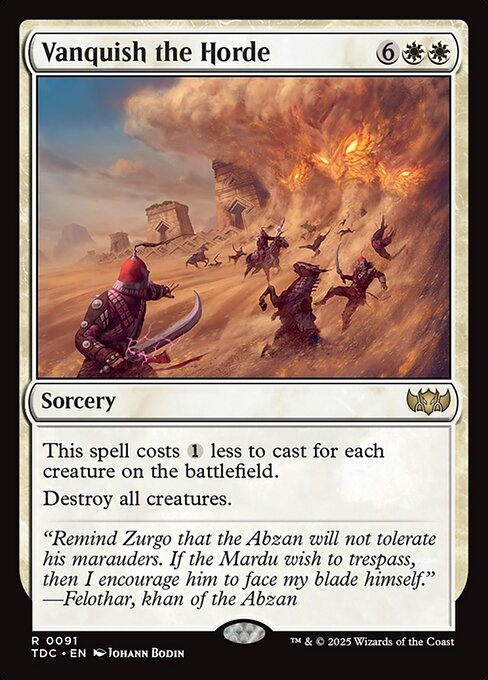
Board Wipe
(CTRL to add secondary)
Bounce Opponent
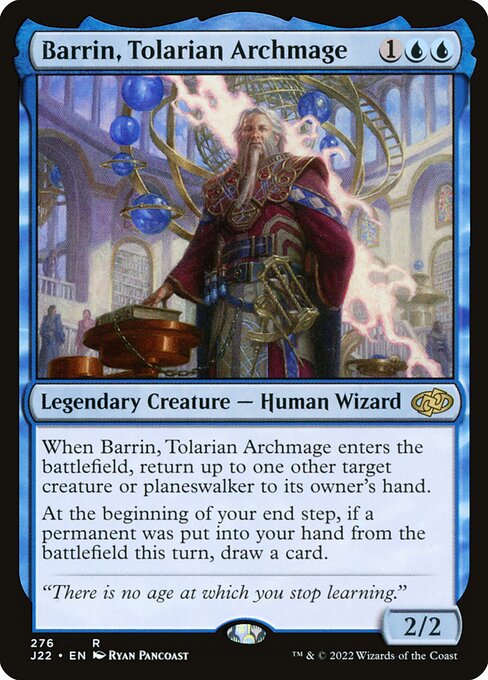
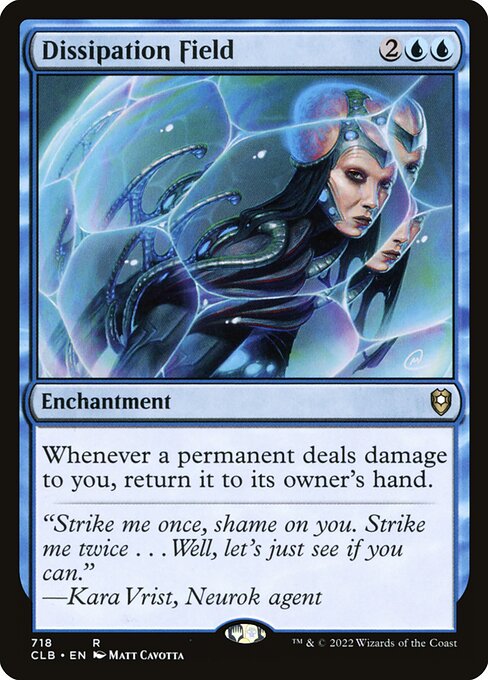
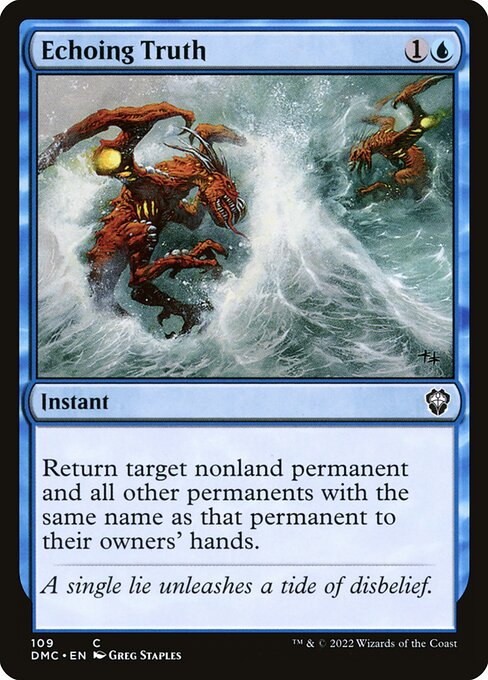
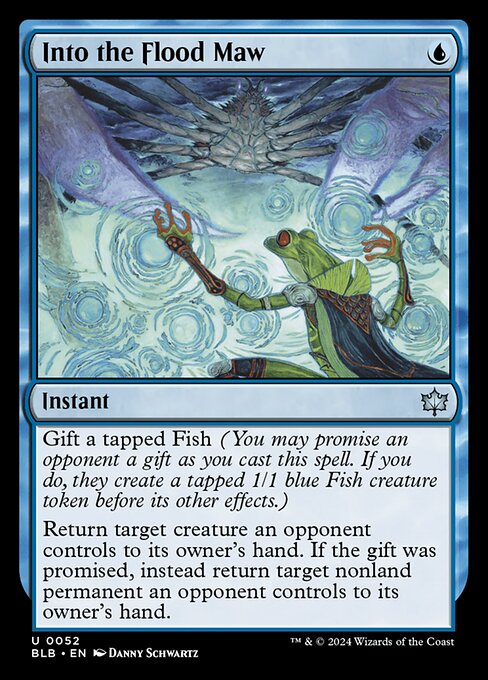
Into the Flood Maw
Gift a tapped Fish (You may promise an opponent a gift as you cast this spell. If you do, they create a tapped 1/1 blue Fish creature token before its other effects.)
Return target creature an opponent controls to its owner's hand. If the gift was promised, instead return target nonland permanent an opponent controls to its owner's hand.
Return target creature an opponent controls to its owner's hand. If the gift was promised, instead return target nonland permanent an opponent controls to its owner's hand.
Instant
Bounce Opponent
(CTRL to add secondary)
Catch Up
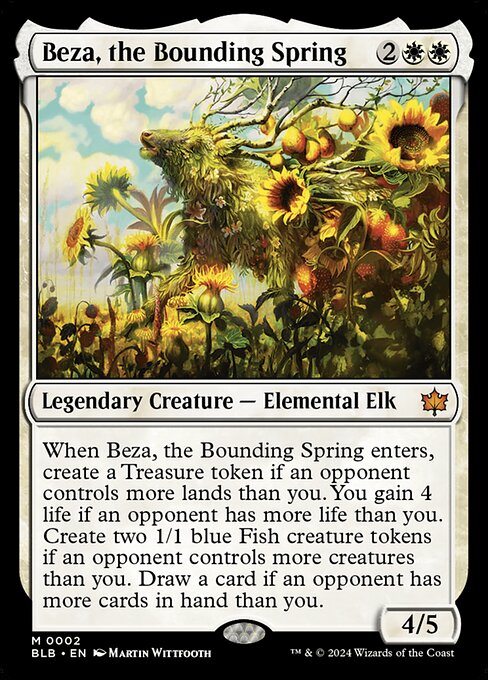
Beza, the Bounding Spring
When Beza enters, create a Treasure token if an opponent controls more lands than you. You gain 4 life if an opponent has more life than you. Create two 1/1 blue Fish creature tokens if an opponent controls more creatures than you. Draw a card if an opponent has more cards in hand than you.
Legendary Creature - Elemental Elk
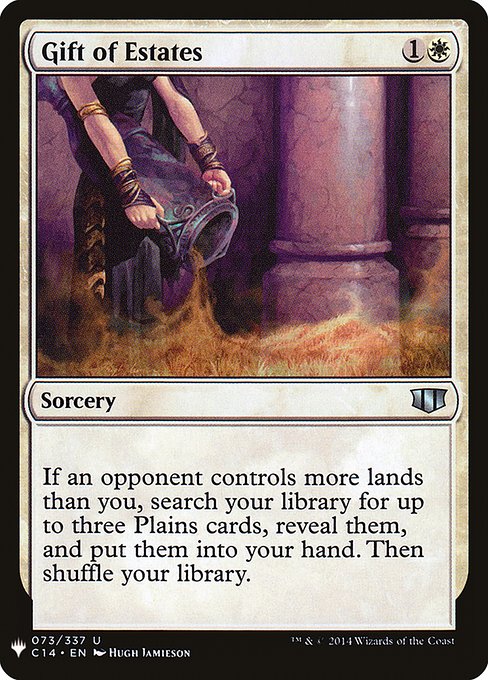
Keeper of the Accord
At the beginning of each opponent's end step, if that player controls more creatures than you, create a 1/1 white Soldier creature token.
At the beginning of each opponent's end step, if that player controls more lands than you, you may search your library for a basic Plains card, put it onto the battlefield tapped, then shuffle.
At the beginning of each opponent's end step, if that player controls more lands than you, you may search your library for a basic Plains card, put it onto the battlefield tapped, then shuffle.
Creature - Human Soldier
Sand Scout
When this creature enters, if an opponent controls more lands than you, search your library for a Desert card, put it onto the battlefield tapped, then shuffle.
Whenever one or more land cards are put into your graveyard from anywhere, create a 1/1 red, green, and white Sand Warrior creature token. This ability triggers only once each turn.
Whenever one or more land cards are put into your graveyard from anywhere, create a 1/1 red, green, and white Sand Warrior creature token. This ability triggers only once each turn.
Creature - Human Scout
Catch Up
(CTRL to add secondary)
Combo

Lotus Bloom
Suspend 3— (Rather than cast this card from your hand, pay and exile it with three time counters on it. At the beginning of your upkeep, remove a time counter. When the last is removed, you may cast it without paying its mana cost.)
, Sacrifice this artifact: Add three mana of any one color.
, Sacrifice this artifact: Add three mana of any one color.
Artifact
Patron of the Moon
Moonfolk offering (You may cast this spell any time you could cast an instant by sacrificing a Moonfolk and paying the difference in mana costs between this and the sacrificed Moonfolk. Mana cost includes color.)
Flying
: Put up to two land cards from your hand onto the battlefield tapped.
Flying
: Put up to two land cards from your hand onto the battlefield tapped.
Legendary Creature - Spirit
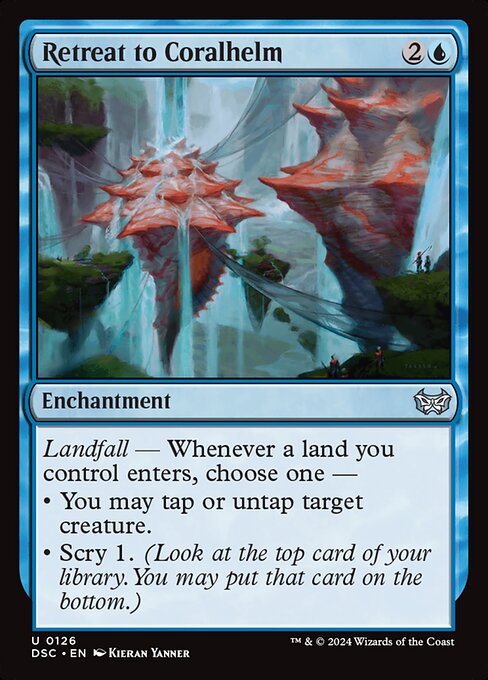
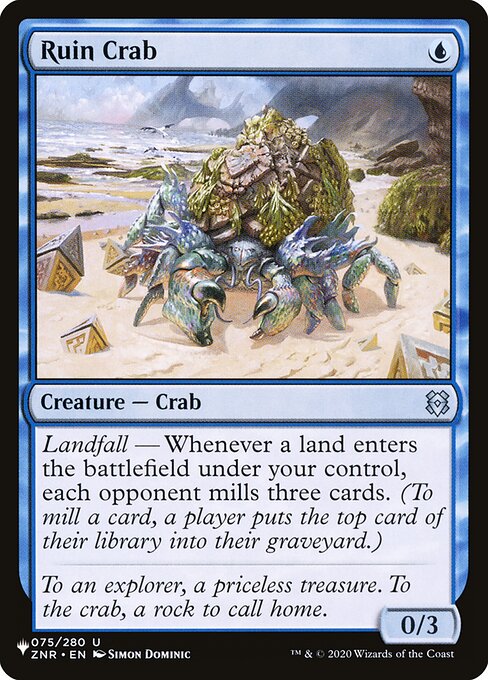
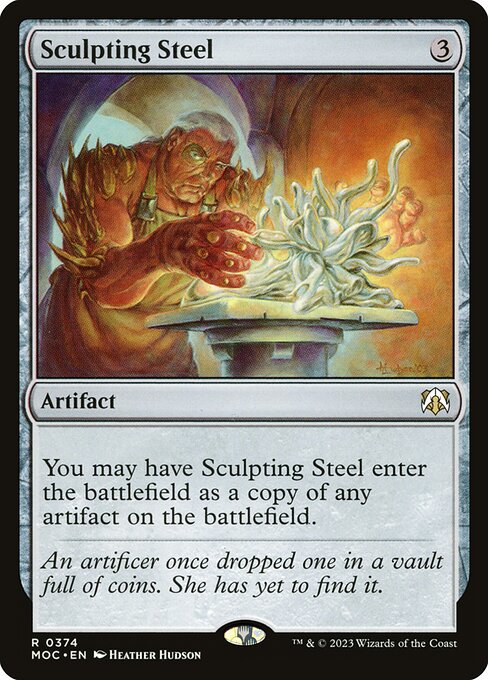
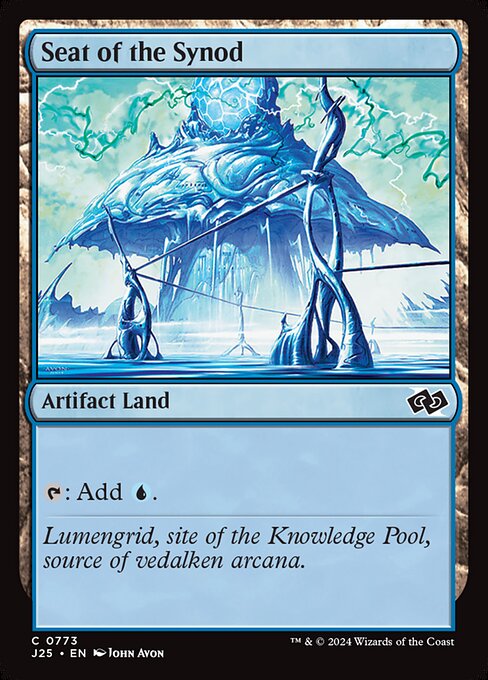
Combo
(CTRL to add secondary)
Counter
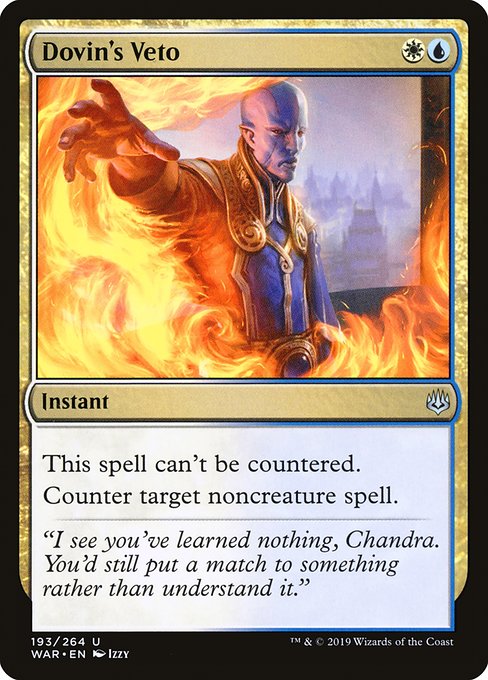
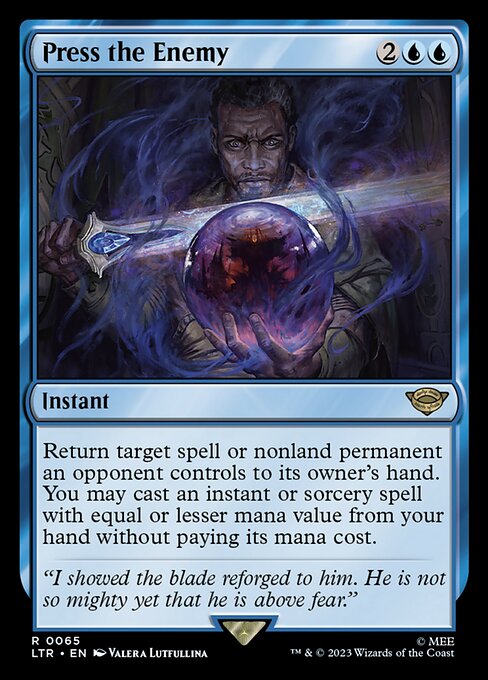
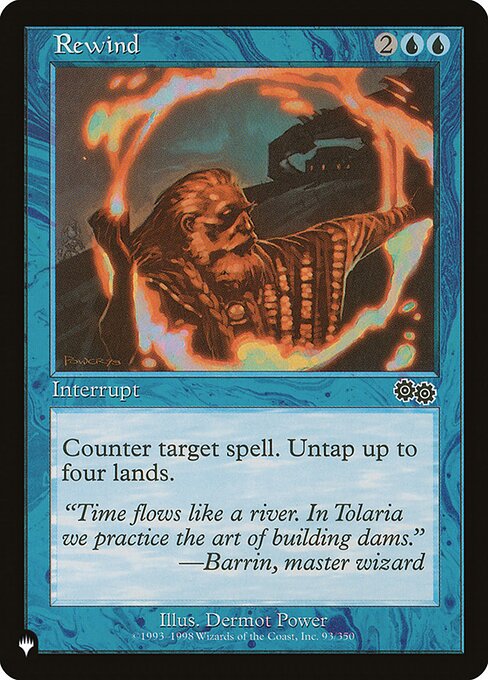
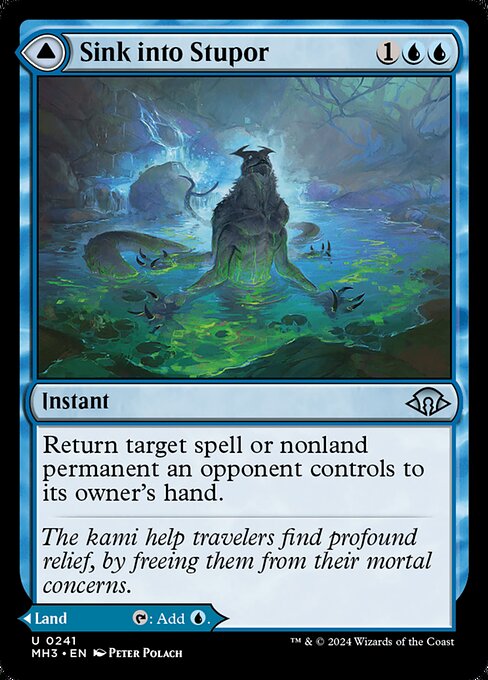
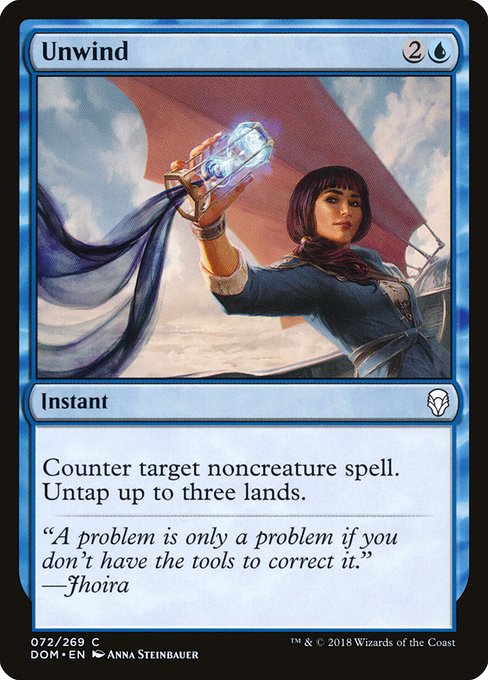
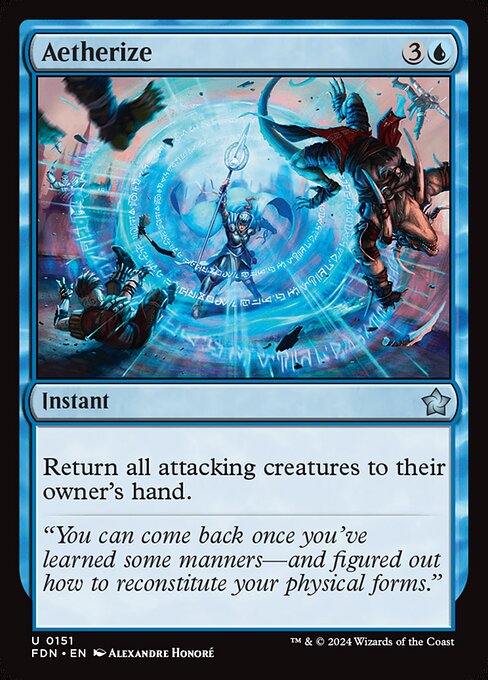
Counter
(CTRL to add secondary)
Creature Removal
Amphibian Downpour
Flash
Storm (When you cast this spell, copy it for each spell cast before it this turn. You may choose new targets for the copies. Copies become tokens.)
Enchant creature
Enchanted creature loses all abilities and is a blue Frog creature with base power and toughness 1/1.
Storm (When you cast this spell, copy it for each spell cast before it this turn. You may choose new targets for the copies. Copies become tokens.)
Enchant creature
Enchanted creature loses all abilities and is a blue Frog creature with base power and toughness 1/1.
Enchantment - Aura
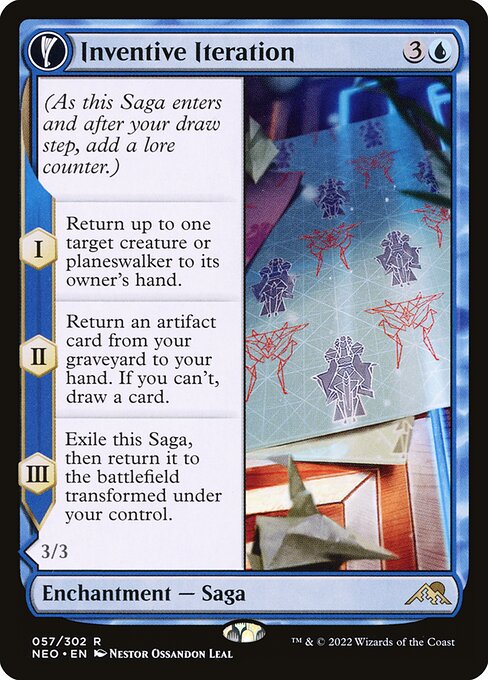
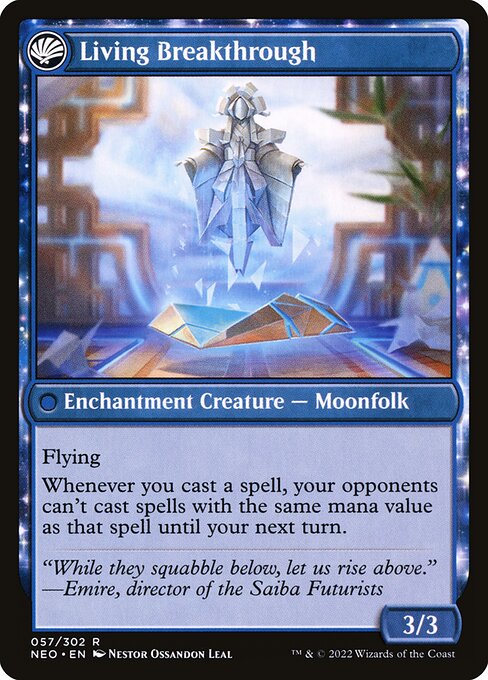
Inventive Iteration
(As this Saga enters and after your draw step, add a lore counter.)
I — Return up to one target creature or planeswalker to its owner's hand.
II — Return an artifact card from your graveyard to your hand. If you can't, draw a card.
III — Exile this Saga, then return it to the battlefield transformed under your control.
I — Return up to one target creature or planeswalker to its owner's hand.
II — Return an artifact card from your graveyard to your hand. If you can't, draw a card.
III — Exile this Saga, then return it to the battlefield transformed under your control.
Enchantment - Saga
Creature Removal
(CTRL to add secondary)
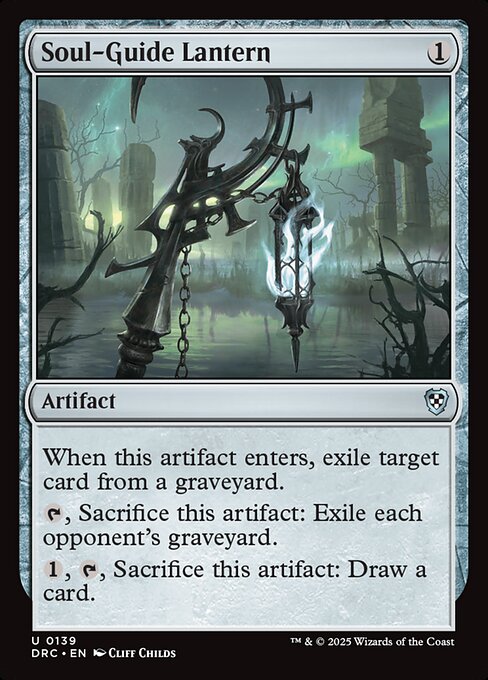
Land
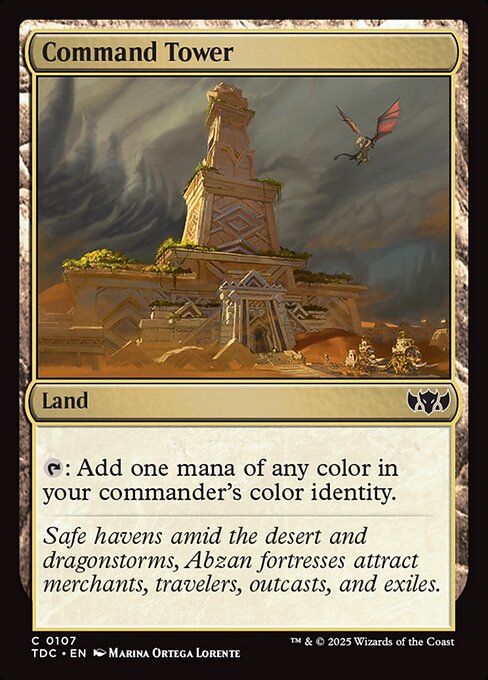
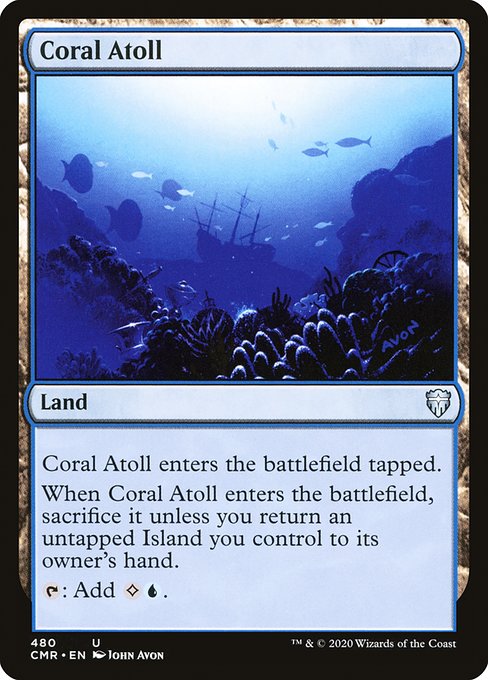
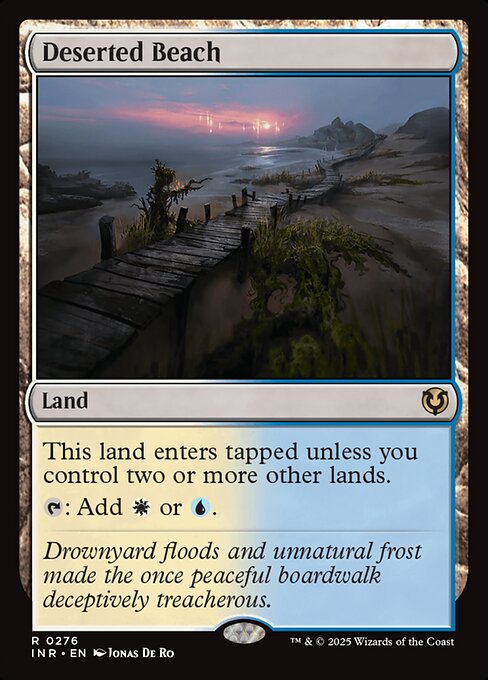
Land
(CTRL to add secondary)
Protection
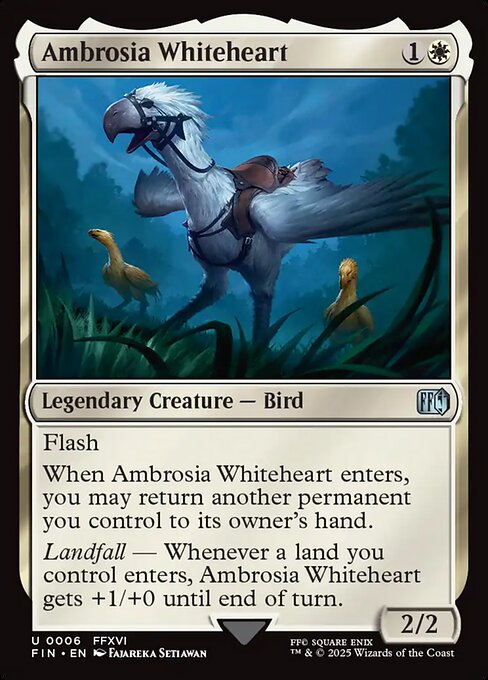
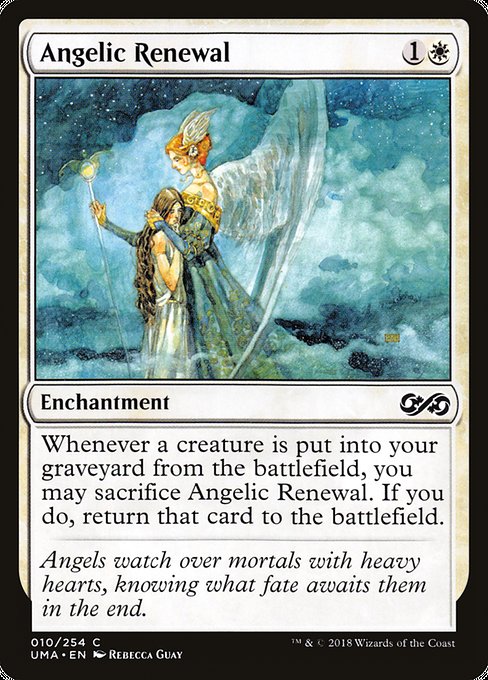
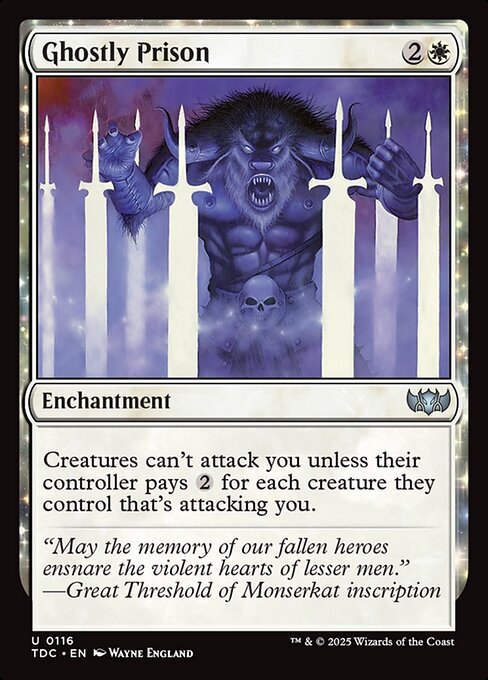
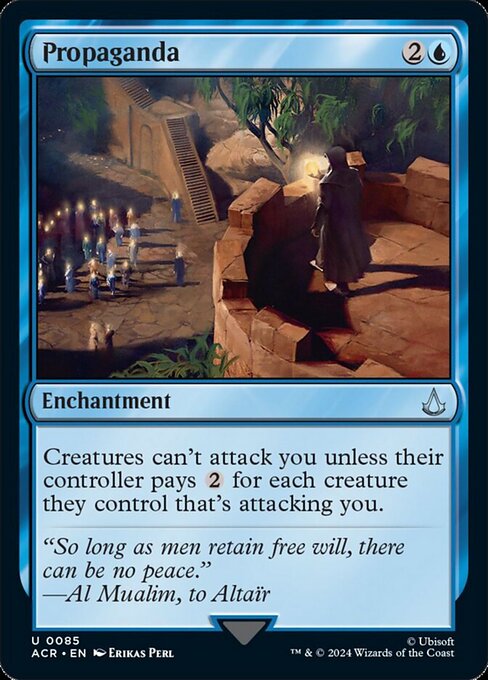
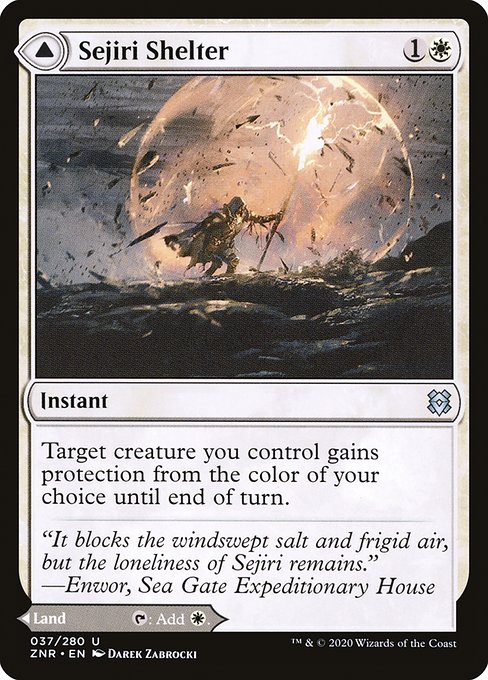
Protection
(CTRL to add secondary)
Ramp
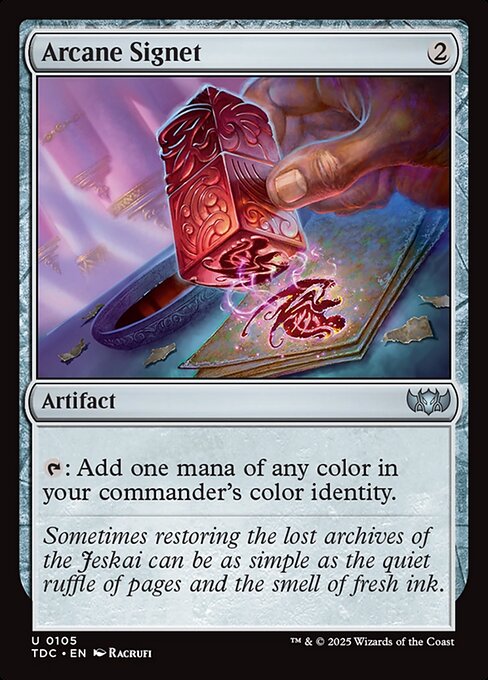
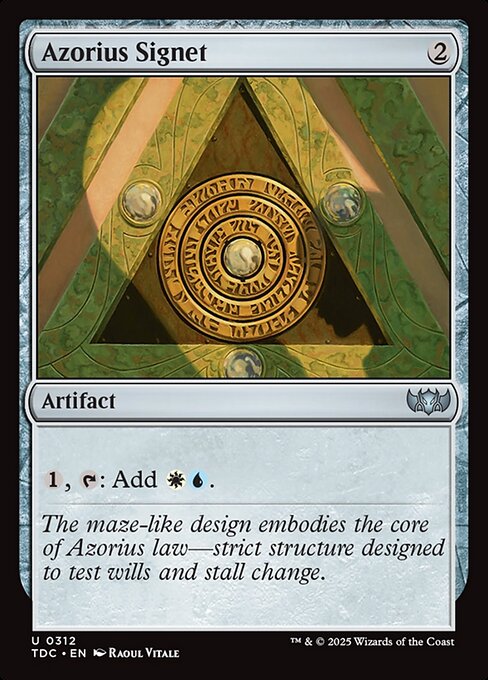
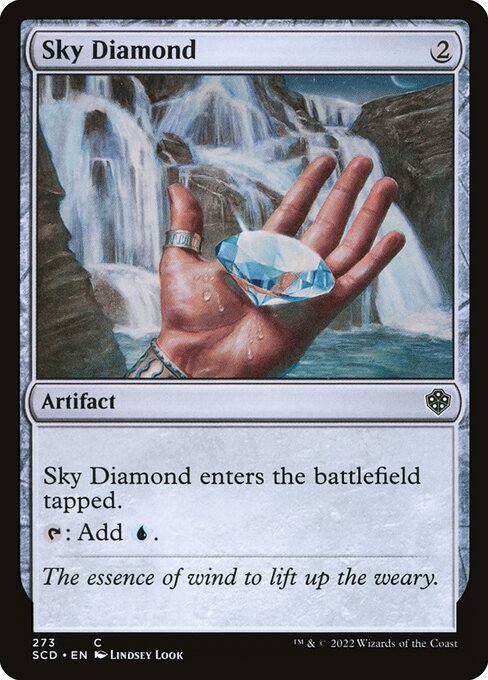
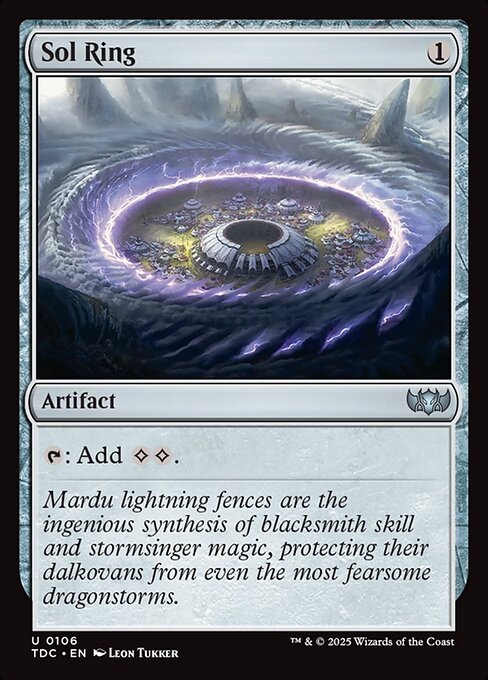

Ramp
(CTRL to add secondary)
Tutor
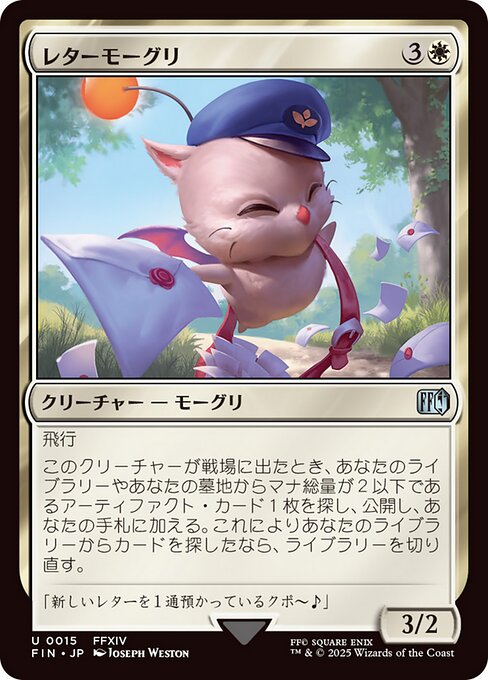
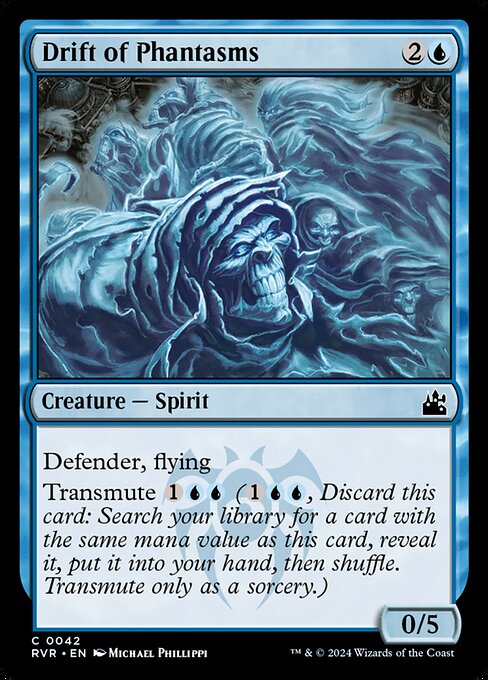
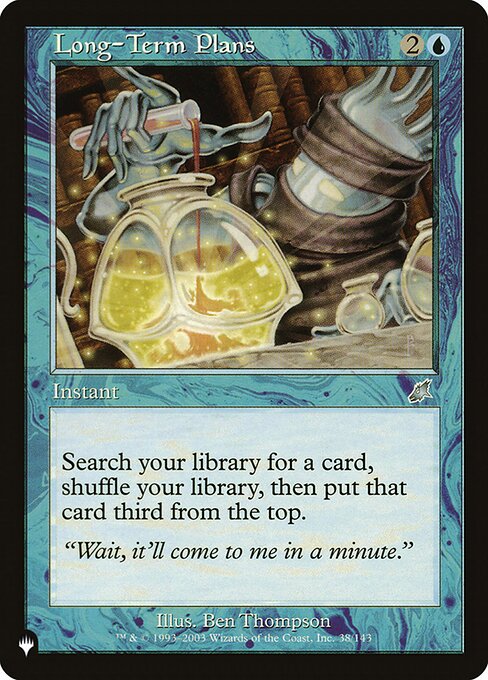
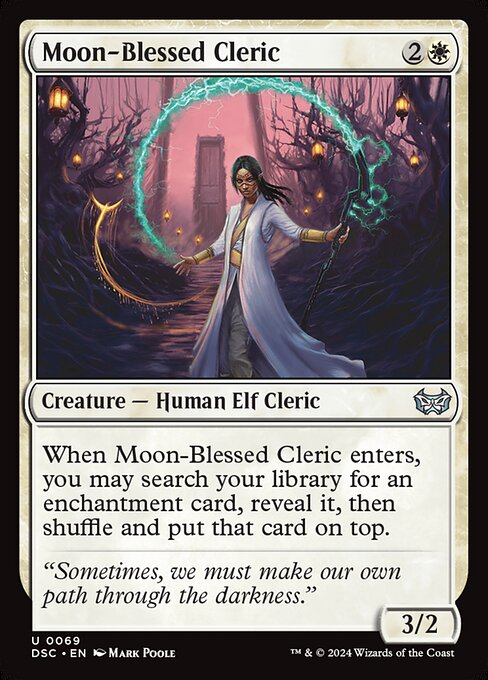
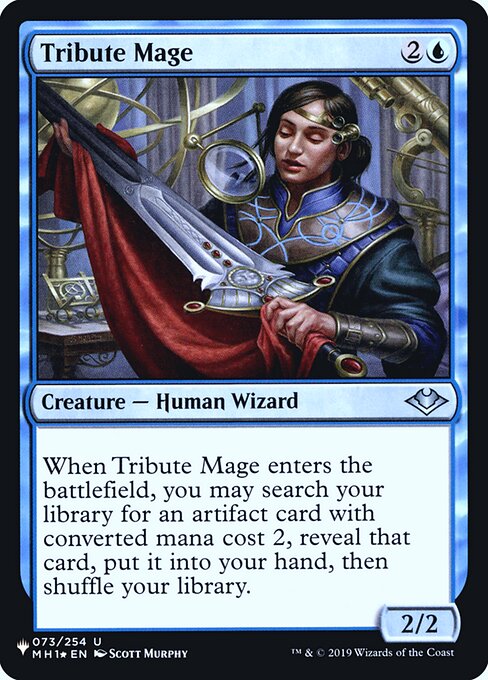
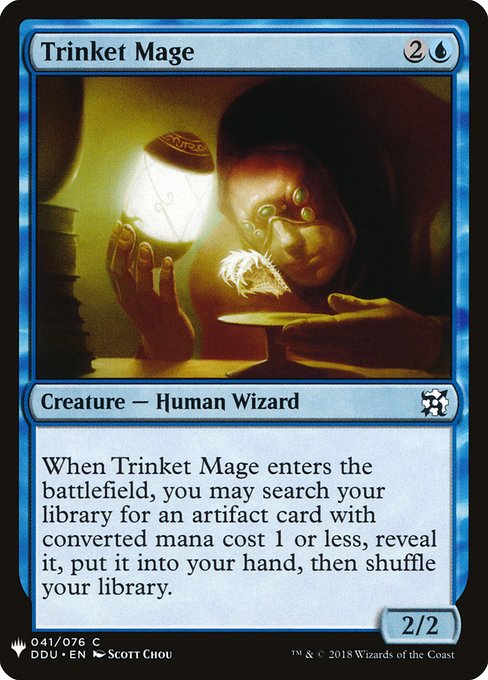
Tutor
(CTRL to add secondary)
Deck Info
Deck stats
CategoriesQtyOdds
Click charts to focus on cards
Deck extras (0)
Description
{"ops":[{"insert":"In Scryfall, you can go to the Scryfall tagger and see thousands of tags, organizing cards by category. One such tag that sometimes goes under the radar is called \"Catch Up\". The concept is that you gain a benefit if an opponent has more of something than you do, whether it's creatures, life totals, cards, lands, ect. It's very much a white mechanic, striving to make the game fair for the player using white. This is actually a very useful mechanic these days, especially with lands, considering how easily green can vomit extra lands onto the battlefield. You may have seen people using cards like "},{"insert":{"card-link":"Knight of the White Orchid"}},{"insert":" in a monowhite deck, to avoid falling behind on mana. But what if there was a way to \"cheat\" the system, and use \"catch up\" under the ruse of artificial disadvantage. Well, that's what this deck is all about.\n\n\"Catch Up\" doesn't not care what kind of lands you're running. It just cares about how many you have compared to your opponents. With this in mind, we could run bounce lands, like "},{"insert":{"card-link":"Arid Archway"}},{"insert":", to keep our land count low, while still having roughly the same amount of mana available as our opponents. This is how you \"cheat Catch Up\".\n\nThere is even more you can do with two mana bounce lands than cheating catch up, though. You can also gain extra advantage with cards that allow you to untap a land, such as "},{"insert":{"card-link":"Frantic Search"}},{"insert":", as long as you are untapping those lands that can be tapped for two mana. This will turn those cards into ramp spells, gaining you more mana than you started with, and allowing you to continue casting more spells.\n\nUpon my search for extra uses of these bounce lands, I stumbled up "},{"insert":{"card-link":"Tameshi, Reality Architect"}},{"insert":". It was perfect. As a commander, he could consistently provide card advantage during land bounce. He also happened to be in blue and white, granting us access to all sorts of bounce and untapping shenanigans found in blue, as well as the catch up cards in white that can fully utilize having that land \"disadvantage\". Tameshi also has an activated ability that not only triggers his first ability, but it also provides us with a secondary strategy of using disposable artifacts and enchantments, like "},{"insert":{"card-link":"Soul-Guide Lantern"}},{"insert":" and "},{"insert":{"card-link":"Angelic Renewal"}},{"insert":", that can be reused again and again. This was shaping up to be a really fun build.\n\nI wanted to take full advantage of Tameshi's card draw ability, which triggers once EACH TURN. This meant that I would need to include plenty of instants that bounced noncreature permanents into my opponents' hands on their turn, like "},{"insert":{"card-link":"Hurkyl's Recall"}},{"insert":" and "},{"insert":{"card-link":"Kiora's Dismissal"}},{"insert":". Since bouncing creatures doesn't trigger Tameshi's ability, and there aren't many good options for bouncing their lands, I was left to focus on bouncing their artifacts, enchantments, and planeswalkers. And that's actually a decent strategy, considering that ETB triggers are usually found on creatures, and not so much on artifacts and enchantments. If I had to bounce their creatures with cards like "},{"insert":{"card-link":"Sink into Stupor // Soporific Springs"}},{"insert":" and "},{"insert":{"card-link":"Into the Flood Maw"}},{"insert":", that would still be a decent option for removing creature threats, even if I didn't get the card draw. This would at least disrupt their mana, being forced to recast whatever was bounced, and delaying the game's ending.\n\nSpeaking of an ending, I needed a win condition. Looking up other Tameshi decks online revealed a plethora of infinite combos, mostly involving landfall triggers. Considering how the deck was taking shape, I thought this would be the most consistent way of closing out a game. The combos in this deck are little confusing, so I need to break them down carefully.\n\nThere are four distinct combos, each requiring at least four cards, and 23 total cards involved with these combos, in one way or the other. Most of these 23 cards are interchangeable with others, so you don't need 4 EXACT cards to pull of a combo.\n\nLet's go over the first, and probably best combo. This will require your commander ("},{"insert":{"card-link":"Tameshi, Reality Architect"}},{"insert":"), "},{"insert":{"card-link":"Lotus Bloom"}},{"insert":", "},{"insert":{"card-link":"Patron of the Moon"}},{"insert":", and one of the following cards: "},{"insert":{"card-link":"Sunscorched Desert"}},{"insert":", "},{"insert":{"card-link":"Lonely Arroyo"}},{"insert":", "},{"insert":{"card-link":"Tranquil Cove"}},{"insert":", or "},{"insert":{"card-link":"Sejiri Refuge"}},{"insert":". For this to work, you need all four cards on the battlefield. First, you sacrifice lotus bloom for 3 white mana and let it hit the graveyard. Then, you activate Tameshi's ability by paying one white mana, returning one land to your hand, and returning Lotus Bloom to the battlefield, ignoring it's suspend clause. Once it comes back, sacrifice Lotus Bloom again for any color, letting it hit the graveyard again. This \"any color\" mana becomes free mana, should you need it for another reason. Now, you need to Activate Tameshi again by paying one white mana, returning another land to your hand, and putting Lotus Bloom back onto the battlefield. This time, activate Patron of the Moon by paying that last white mana and putting two lands from your hand onto the battlefield. This entire process can then be repeated an infinite number of times. If you used Sunscorched Desert or Lonely Arroyo as one of those lands, you deal infinite damage to any number of opponents, and you win the game. If you used Tranquil Cove or Sejiri Refuge as one of those lands, you gain infinite life, which can win you SOME games, but that really depends on what kind of decks your opponents are playing. There is an alternate way to win with this combo if you don't have any of those four lands listed above. You could use any old lands, generating infinite landfall triggers, if you happen to have "},{"insert":{"card-link":"Hedron Crab"}},{"insert":" or "},{"insert":{"card-link":"Ruin Crab"}},{"insert":" out on the battlefield. These little buggers will mill out your opponents, granting you a victory that way.\n\nThe second combo requires "},{"insert":{"card-link":"Retreat to Coralhelm"}},{"insert":", one of the mill crabs, "},{"insert":{"card-link":"Walking Atlas"}},{"insert":" OR "},{"insert":{"card-link":"PuPu UFO"}},{"insert":", and one of the following bounce lands: "},{"insert":{"card-link":"Arid Archway"}},{"insert":", "},{"insert":{"card-link":"Azorius Chancery"}},{"insert":", "},{"insert":{"card-link":"Guildless Commons"}},{"insert":", or "},{"insert":{"card-link":"Ghost Town"}},{"insert":" (using Ghost Town will require the combo to be performed on an opponent's turn). For this one to work, Retreat to Coralhelm, your mill crab, and your construct (Walking Atlas or PuPu UFO) need to be on the battlefield. Also, your construct can't have summoning sickness, because you will be tapping it. Start off by tapping your construct to put the bounce land onto the battlefield. Yes, this can be done at instant speed on an opponent's turn. Once the land enters, it and Coralhelm will trigger. Resolve the land first, by bouncing ITSELF back to your hand. Then, let Coralhelm resolve, choosing your construct to untap. You can now just repeat the process an infinite amount of times, and your mill crabs will mill out your opponents. As an alternative to using the bounce lands listed above, you could instead have "},{"insert":{"card-link":"Trade Routes"}},{"insert":" out on the battlefield and use any land that comes down untapped. If you happen to use "},{"insert":{"card-link":"Sunscorched Desert"}},{"insert":", you won't even need the mill crab out on the field. You could just bounce the desert back and forth, dealing an infinite amount of damage to your opponents. Or, if you happen to have "},{"insert":{"card-link":"Tiller Engine"}},{"insert":" on the field (which we'll get into later), you could even use "},{"insert":{"card-link":"Lonely Arroyo"}},{"insert":", since Tiller Engine can just untap it right away, each time it comes down. As you can see, this combo is pretty flexible, and you can even play it on the opponent's turn before your turn, which will increase the chances of your opponents being tapped out and unable to respond to what you're doing.\n\nThe third combo requires your commander ("},{"insert":{"card-link":"Tameshi, Reality Architect"}},{"insert":"), "},{"insert":{"card-link":"Lotus Bloom"}},{"insert":", one of the mill crabs, "},{"insert":{"card-link":"Sculpting Steel"}},{"insert":", and one of the following artifact lands: "},{"insert":{"card-link":"Ancient Den"}},{"insert":", "},{"insert":{"card-link":"Seat of the Synod"}},{"insert":", "},{"insert":{"card-link":"Darksteel Citadel"}},{"insert":", or "},{"insert":{"card-link":"Treasure Vault"}},{"insert":". For this one to work, you're going to need all of your components out on the battlefield, except for Sculpting Steel, which you'll need in hand with enough mana to cast it, plus one white mana to activate Tameshi's ability. Start off by sacrificing Lotus Bloom and floating 3 white mana. Use that mana to cast Sculpting Steel, and have it enter the battlefield as a copy of the artifact land that you have on the battlefield. Next, tap Sculpting Steel (as a land) for one mana. The color doesn't matter, just make sure it floats for later. With that one white mana you had reserved, activate Tameshi's ability, returning Sculpting Steel to you're hand (since it's now a land), and returning Lotus Bloom from the graveyard onto the battlefield. Now you can just repeat the process, this time using that one floating mana to help pay for Sculpting Steel, and floating one of the white mana pips from Lotus Bloom to pay for Tameshi's ability. Repeat an infinite amount of times to have your mill crabs to their thing. If you don't have a mill crab out on the battlefield, there is still another use for this combo. Since it also generates an infinite amount of storm triggers, you can cast "},{"insert":{"card-link":"Amphibian Downpour"}},{"insert":" after pulling off the combo to turn any number of creatures into 1/1 frogs. It's also worth noting that there is an alternative to Sculpting Steel, in the form of "},{"insert":{"card-link":"Mirrormade"}},{"insert":". I chose to not include that alternate in this deck, since it requires 2 blue pips, which means you'd be stuck using "},{"insert":{"card-link":"Ancient Den"}},{"insert":" for the white pip, or having some other way of fixing your mana colors. It just didn't seem worth the hassle, so I just went with using Mirrormade.\n\nThe fourth and final combo in this deck requires "},{"insert":{"card-link":"Patron of the Moon"}},{"insert":", "},{"insert":{"card-link":"Tiller Engine"}},{"insert":", one of the mill crabs, and one of the following bounce lands: "},{"insert":{"card-link":"Arid Archway"}},{"insert":", "},{"insert":{"card-link":"Azorius Chancery"}},{"insert":", "},{"insert":{"card-link":"Guildless Commons"}},{"insert":", or "},{"insert":{"card-link":"Ghost Town"}},{"insert":" (again, using Ghost Town will require the combo to be performed on an opponent's turn). For this one to work, you'll need everything out on the battlefield, except for the bounce land, which you'll need in hand. You'll also need one mana, of any color available. Start by paying the one mana to activate Patron's ability, and putting your bounce land out onto the battlefield. You could technically put down an additional land here, but it's unnecessary for the combo to work. Once your bounce land hits, it and Tiller Engine will trigger. Resolve Tiller Engine first and untap the bounce land. Before you let the bounce land trigger, tap it for two mana. Let that mana float, and let the bounce land resolve by bouncing IT back into your hand. Now, you can use one of the floating mana to repeat the process an infinite number of times, letting the mill crabs win you the game. Since Patron of the Moon's ability only requires one mana, this combo actually generates an infinite amount of mana as well. So if you don't have a mill crab out on the battlefield, you could always use this combo to dump mana into something else, like "},{"insert":{"card-link":"Treasure Vault"}},{"insert":", creating an infinite amount of treasure tokens.\n\nHaving four different combos with interchangeable pieces greatly increases your chances of pulling off a game winning combo. Even better, most of the key components can be tutored for. "},{"insert":{"card-link":"Retreat to Coralhelm"}},{"insert":" and "},{"insert":{"card-link":"Sculpting Steel"}},{"insert":" can be tutored for with "},{"insert":{"card-link":"Drift of Phantasms"}},{"insert":". "},{"insert":{"card-link":"Walking Atlas"}},{"insert":", "},{"insert":{"card-link":"PuPu UFO"}},{"insert":", and "},{"insert":{"card-link":"Tiller Engine"}},{"insert":" can be tutored for with "},{"insert":{"card-link":"Tribute Mage"}},{"insert":" or "},{"insert":{"card-link":"Delivery Moogle"}},{"insert":". But the Moogle can also tutor for "},{"insert":{"card-link":"Lotus Bloom"}},{"insert":". And Lotus Bloom and also be tutored by "},{"insert":{"card-link":"Trinket Mage"}},{"insert":" or "},{"insert":{"card-link":"Tolaria West"}},{"insert":". Tolaria West can also grab any specific land that you may need for a combo. We can also use "},{"insert":{"card-link":"Sand Scout"}},{"insert":" to find "},{"insert":{"card-link":"Sunscorched Desert"}},{"insert":" or "},{"insert":{"card-link":"Lonely Arroyo"}},{"insert":". "},{"insert":{"card-link":"Patron of the Moon"}},{"insert":", "},{"insert":{"card-link":"Hedron Crab"}},{"insert":", and "},{"insert":{"card-link":"Ruin Crab"}},{"insert":" can be tutored for with "},{"insert":{"card-link":"Long-Term Plans"}},{"insert":". And of course, Long-Term Plans can tutor for any of the cards just mentioned. If we already have the combo piece in hand or just need to take care of a specific threat on the board, what else can we use these tutors for? Well, Trinket Mage can pull out "},{"insert":{"card-link":"Soul-Guide Lantern"}},{"insert":" to mess up anyone's strategy involving a graveyard. Don't forget, you can always bring it back onto the field with Tameshi after sacrificing it. Tribute Mage can fetch you "},{"insert":{"card-link":"Mind Stone"}},{"insert":" if you just need card draw, since you can dump extra mana into sacrificing Mind Stone for a card and pull it back with Tameshi. Moon-Blessed Cleric can grab you key protection pieces like "},{"insert":{"card-link":"Ghostly Prison"}},{"insert":" and "},{"insert":{"card-link":"Propaganda"}},{"insert":", for when you need an answer to someone's goblin horde. "},{"insert":{"card-link":"Drift of Phantasms"}},{"insert":" can hilariously tutor for a tutor, like Trinket Mage, Tribute Mage, or "},{"insert":{"card-link":"Long-Term Plans"}},{"insert":". As you can see, there are plenty of uses for these tutors, and you are more than likely going to be relived when they come off the top of your library.\n\nSo, how is the average game going to look with this deck? Thorough goldfishing has revealed that getting the commander out on turn 3, along with a cheap mana rock or other useful permanent on turns one or two is almost always going to happen. This is perfect, as most people will be building up their own board state on turn 3, instead of casting a spell to destroy your commander. Holding up protection past turn 3 should be your main strategy going forward. Now, what do I mean by protection? I'm talking about instants that can bounce a nonland permanent back to hand. Ideally, we would use those instants, like "},{"insert":{"card-link":"Geistwave"}},{"insert":" and "},{"insert":{"card-link":"Repeal"}},{"insert":" on an opponent's noncreature permanent, granting us a card from Tameshi's ability. But if needed, we can instead use it on Tameshi or another one of our combo pieces to prevent it from being destroyed, exiled, or tucked. With this in mind, we should try to cast these instants at the end of the opponent's turn before ours. That way, we've held up the mana to protect our permanents, but if that protection wasn't needed, we can still bounce something of theirs to get us that extra card from Tameshi. Then, we can untap and take our turn. And on our turn, we can try getting an additional card by bouncing lands back to our hand, and ending our turn with enough mana open to once again protect our permanents if needed. Disrupting opponent's artifacts and enchantments, along with setting up protection from creatures with cards like "},{"insert":{"card-link":"Dissipation Field"}},{"insert":", "},{"insert":{"card-link":"Soul Snare"}},{"insert":", "},{"insert":{"card-link":"Ghostly Prison"}},{"insert":", and "},{"insert":{"card-link":"Propaganda"}},{"insert":", is really going to push us into the late game, increasing our chances of finding those combo pieces or tutors to fetch them.\n\nThere are a few more cards included that I'd like to cover, and explain their use beyond the obvious. "},{"insert":{"card-link":"Path to Exile"}},{"insert":" is a card that I generally do not like to run because it's already so overplayed and comes with a major drawback at times. In this deck, however, granting an opponent an extra land can actually benefit us, since we're running 8 catch up cards. "},{"insert":{"card-link":"Aether Gale"}},{"insert":" is a very useful \"board wipe\" (in a sense) that should be used on 5 creatures and one noncreature controlled by your opponents. That way, bouncing at least one noncreature will still grant you the card draw from Tameshi, but will also clear out those problem creatures that you have been avoiding because you'd rather bounce noncreatures for the card draw. Another card with the same idea is "},{"insert":{"card-link":"Mists of Lórien"}},{"insert":". Be sure to include at least one non creature for that extra card draw. Another card that I'd like to point out is "},{"insert":{"card-link":"Cryptic Command"}},{"insert":". Note that its second mode allows you to bounce a target PERMANENT to its owner's hand, so this is the one time when you can actually bounce an opponent's land and draw a card for it. It can really save the day from an opponent's "},{"insert":{"card-link":"Maze's End"}},{"insert":" victory. "},{"insert":{"card-link":"Dissipation Field"}},{"insert":" is another interesting card in this deck. If you haven't noticed, it's symmetrical, so any permanent that YOU own, that deals damage to you, will also bounce back it your hand. This can actually be useful in this deck though, since bouncing "},{"insert":{"card-link":"Talisman of Progress"}},{"insert":" with the commander out will actually grant us a card draw late game, when we no longer need the extra mana from the talisman.\n\nNow let's cover a few of these lands, and why they're included. "},{"insert":{"card-link":"Coral Atoll"}},{"insert":" and "},{"insert":{"card-link":"Karoo"}},{"insert":" are admittedly worse than other bounce lands, like "},{"insert":{"card-link":"Azorius Chancery"}},{"insert":", because they need an untapped basic land in order to come down, or it gets sacrificed. In the early game, this can be very annoying when you don't have the basic land to support it. But the late game value of free land bounce and having a lower land count as part of the deck's strategy makes them worth including. "},{"insert":{"card-link":"Terrain Generator"}},{"insert":" is a great way of forcing lands back onto the battlefield in the late game, when your catch up strategy has already run it's course, and you're just looking for ways to put extra mana to use. It goes very well with the commander when you're sitting on a bunch of mana and just want more cards to cast. "},{"insert":{"card-link":"Prairie Stream"}},{"insert":", "},{"insert":{"card-link":"Irrigated Farmland"}},{"insert":", and "},{"insert":{"card-link":"Idyllic Beachfront"}},{"insert":" are considered \"Plains\", so they can be fetched by catch up cards like "},{"insert":{"card-link":"Oreskos Explorer"}},{"insert":", "},{"insert":{"card-link":"Knight of the White Orchid"}},{"insert":", and "},{"insert":{"card-link":"Gift of Estates"}},{"insert":". Remember that, when you no longer need ANOTHER basic plains card.\n\nLastly, I want to point out a few extensive cards, for those of you on a budget, without the ability to proxy. I just happened to have "},{"insert":{"card-link":"Beza, the Bounding Spring"}},{"insert":", "},{"insert":{"card-link":"Into the Flood Maw"}},{"insert":", and "},{"insert":{"card-link":"Sink into Stupor // Soporific Springs"}},{"insert":" lying around from pulls. If you're interested in a deck like this, but need to save a few bucks, try replacing Beza with "},{"insert":{"card-link":"Claim Jumper"}},{"insert":", Flood Maw with "},{"insert":{"card-link":"Alchemist's Retrieval"}},{"insert":", and Stupor with "},{"insert":{"card-link":"Hydroelectric Specimen // Hydroelectric Laboratory"}},{"insert":". These are all great cards that I would be using if I didn't already own the more expensive versions.\n\nIn conclusion, I found this deck to be very fun to build and play. Combo decks are not something I usually go for, so it was quite a challenge putting all of the pieces together and making sure they can deliver a win. I was sure make all the combos require 4 or more cards, so this deck should fit comfortably in a bracket 3 game without complaints. If someone is really going to complain about loosing to a 4 card combo past turn 6 or 7 in a bracket 3 game, just tell them that they had more lands than you for the entire game, and give them a wink. If you're looking for a unique way to cheat the \"catch up\" mechanic in a relatively budget friendly bracket 3 deck, I highly recommend giving this a try or using it for inspiration to create your own deck.\n"}]}